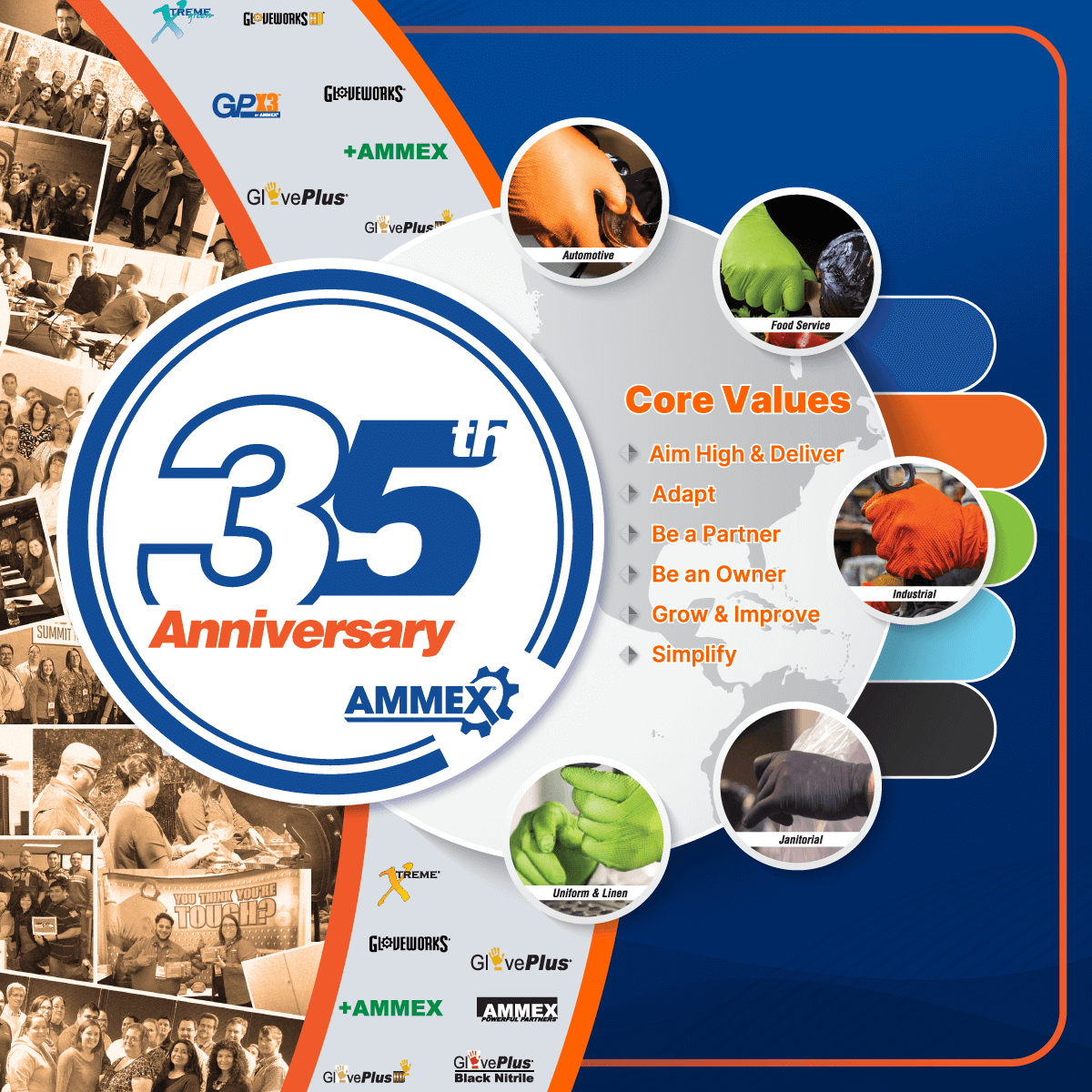
AMMEX wishes you the best of prosperity and success in the new year!
In 2024, we expect the disposable glove market to continue to grow and develop. We expect the same factors we’ve always believed in to be important again: fill rates, quality control, high compliance standards, and superior customer service.
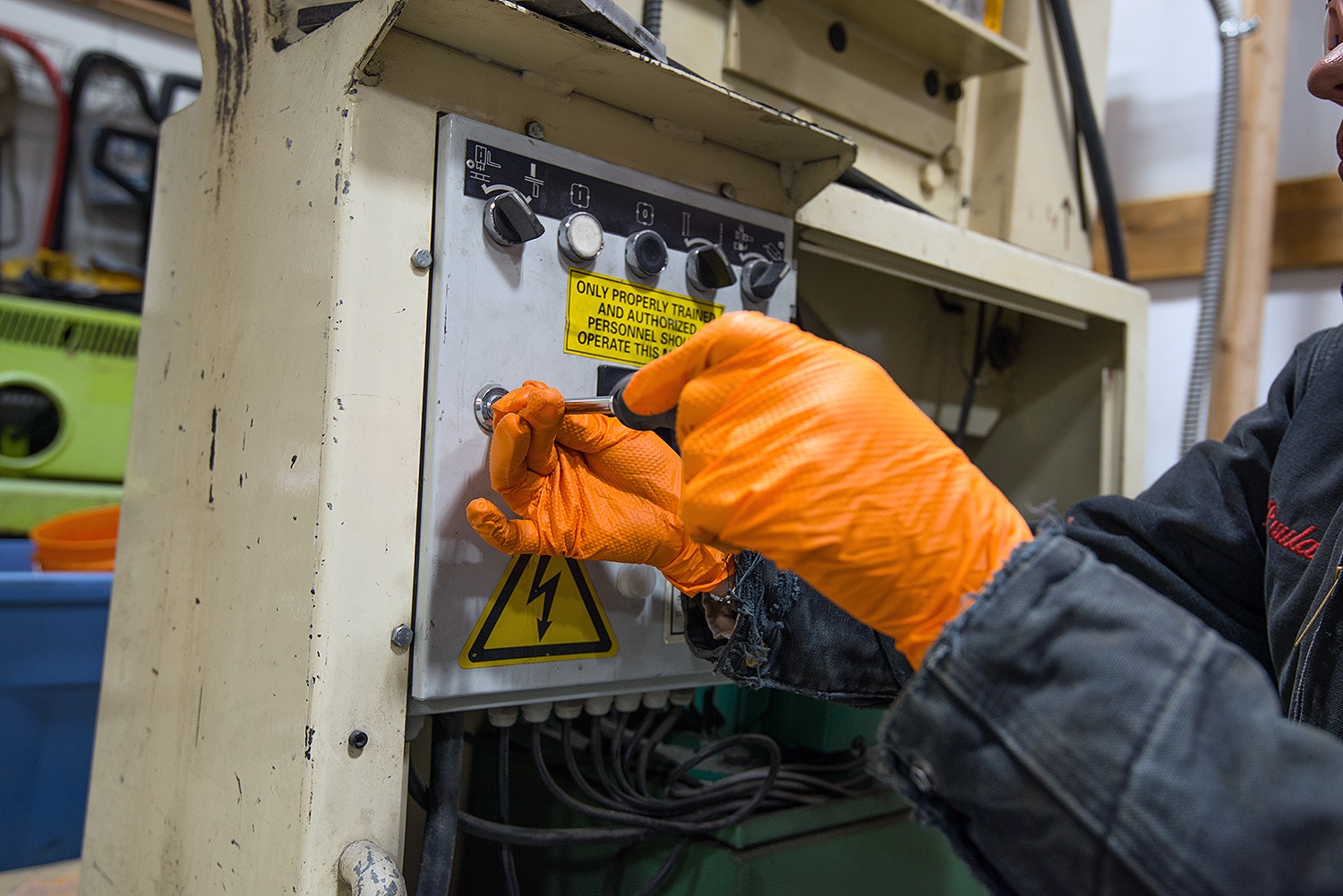
If you work with heavy machinery or use tools all day on the job, there is a significant risk to your hands from sharp edges, abrasive surfaces, chemicals, and other potentially harmful objects or substances.
When it comes to hand protection for hazardous environments, you want Gloveworks Nitrile with Raised Diamond Texture (RDT) on your side. These gloves stand up to the rigors of tools and machinery while also delivering dexterity, durability, and—maybe best of all—comfort.
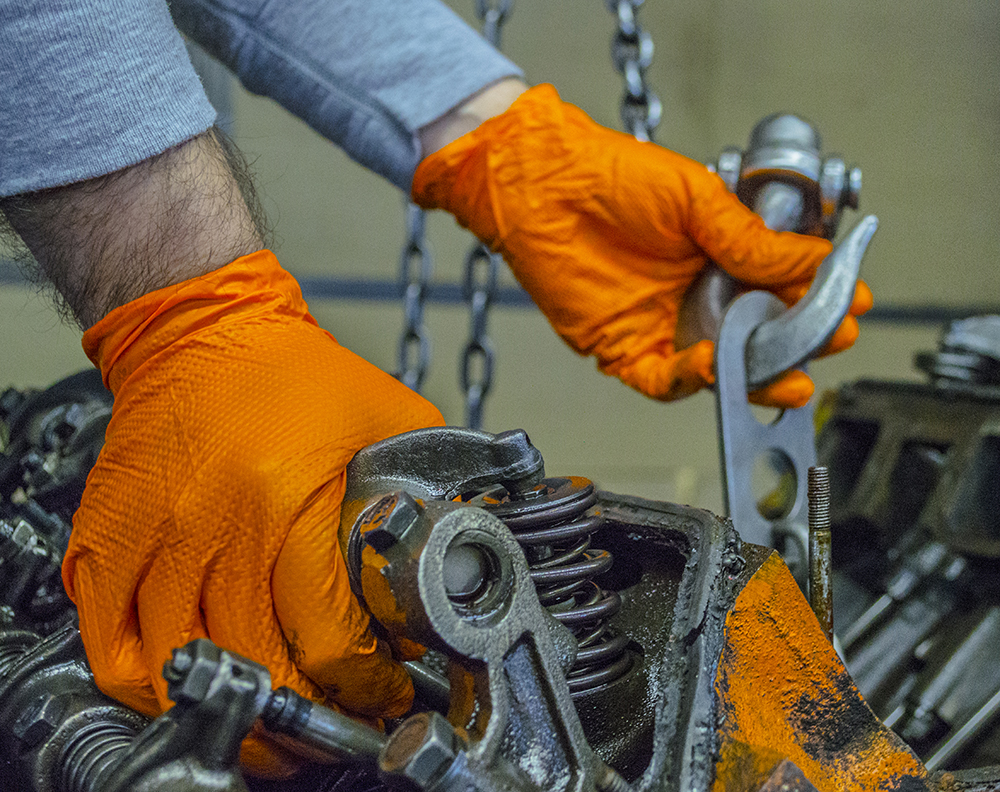
Historically, people who work on cars and trucks have not widely used disposable gloves. For generations of mechanics, hand protection simply was not a big concern.
Why? In many cases—at least until the last couple decades—they lacked the information they needed to make the right choice for safety. Heck, even today the industry is only 120 or so years old. The evolution to new ideas can be long and laborious.
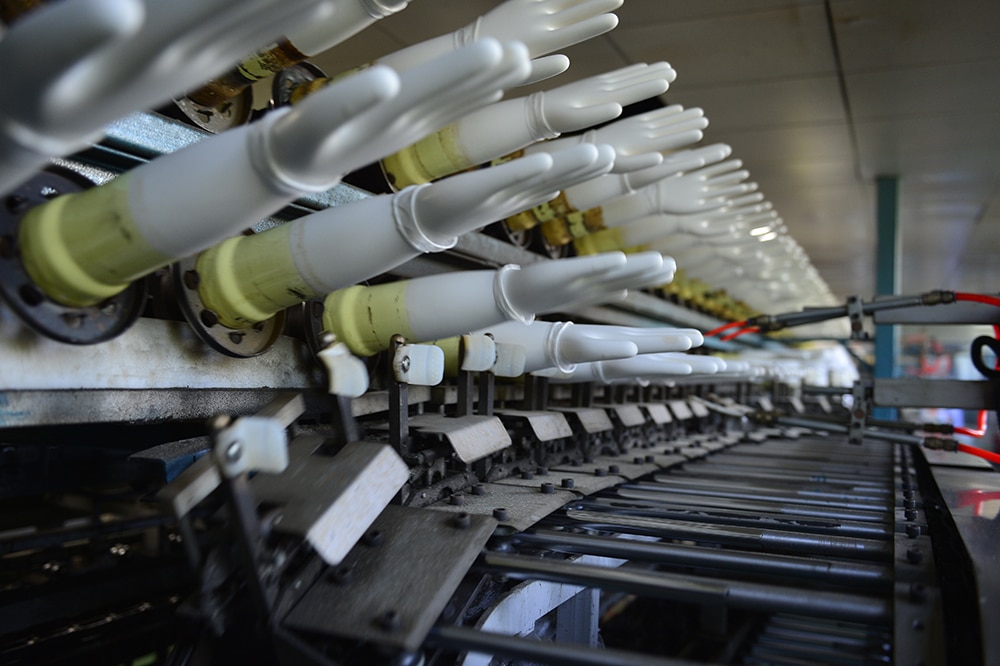
Disposable gloves are essential for—among lots of other things—maintaining hygiene, protecting workers from potential hazards, and preventing the spread of infections. Without strict quality-control measures, even a tiny production slipup could cause an entire batch of gloves to go bad.
It’s likely both distributors and end users can relate to opening a case of new gloves, only to discover that they are all bricked together. Or they tear as soon as they’re pulled on. Or they have the distinctive odor of being well past their use date.
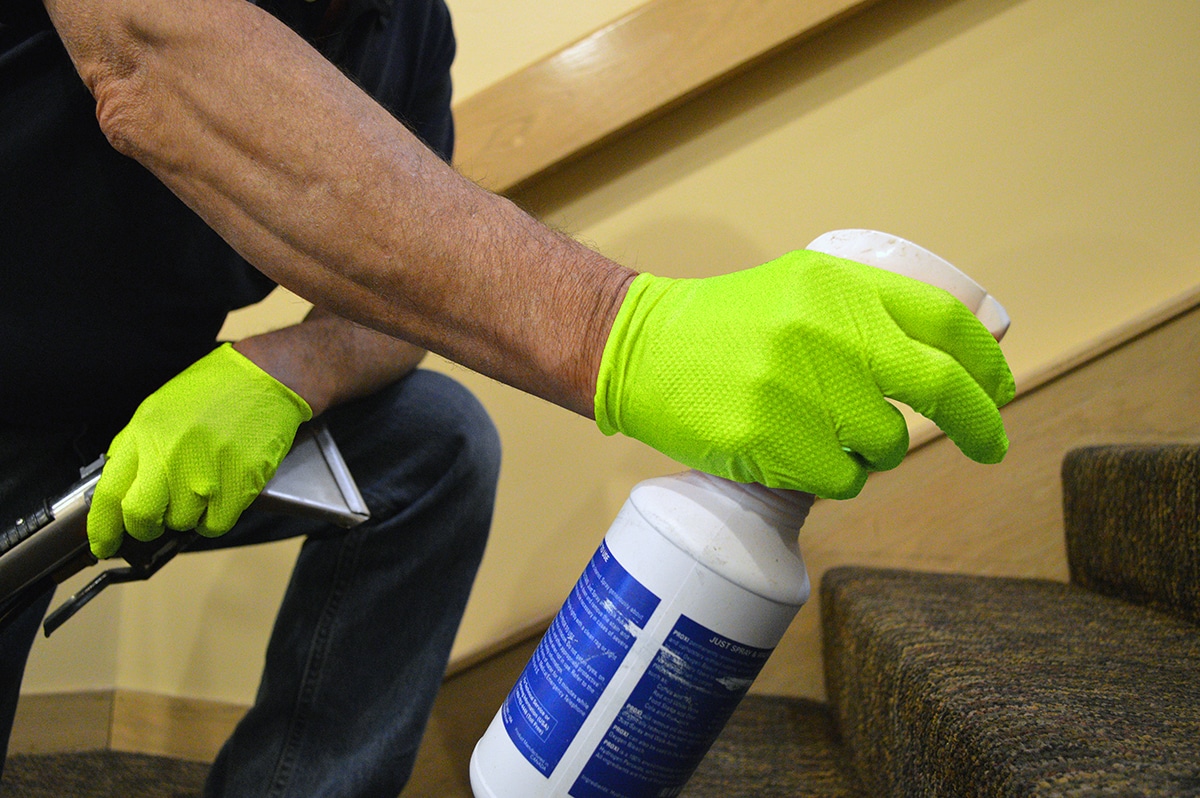
When you think of professions with high injury rates, you most likely turn to such jobs as commercial fishing, logging, or roofing. Janitorial work may not seem perilous—but the injuries jan/san crews suffer should not be taken lightly.
Especially troublesome are hand injuries, which can result in missed work, elevated worker’s comp premiums, and less quality control. A solution can be as simple as ensuring employees have the right glove for the job—something that AMMEX specializes in.
From working with machinery to encountering chemicals and hazardous materials to protecting products from contamination, gloves factor into just about any scenario that involves making things. Many jobs require specialty protection like extra-thick neoprene, cut-proof, or “armored” and padded work gloves, but just about everyone needs some degree of hand safety.
The Centers for Disease Control and Prevention tells us that every year, an estimated 1 in 6 people in the U.S. (or 48 million people) get sick, 128,000 are hospitalized, and 3,000 die from eating contaminated food.
We asked dozens of users to give us their impressions of our RDT suite of single-use gloves: 8-mil orange (GWON) and green (GWGN), and 6-mil black (GWBN) and royal blue (GWRBN). This provided a useful snapshot of a much larger field of opinion.
Ever since 24-year-old Fred Crosetto started this company in 1988—and at first sold gloves out of the trunk of his car as he built his brand—AMMEX’s focus has been on delivering what customers need, as well as helping them grow their glove sales.