A generation or so ago, disposable gloves were not frequently seen in automotive shops. Mechanics routinely worked barehanded, exposing themselves to motor oil, brake fluid, solvents, fuels, paints, and countless other chemicals. In fact, many technicians considered dirty hands to be part of the job. Today, the industry has changed. Increased awareness of chemical exposure risks, stricter safety practices, and a greater emphasis on technician health have made disposable gloves an essential tool in every professional shop. Many younger technicians have never known a workplace where disposable gloves weren’t standard operating equipment.
The shift makes perfect sense. Modern automotive technicians rely on their hands for everything from diagnostics and inspections to engine repairs and precision finishing work. Disposable gloves help protect against chemicals, reduce the risk of cuts and abrasions, improve grip on oily parts and tools, and keep technicians cleaner and more productive throughout the day. In many shops, gloves are no longer viewed as personal protective equipment alone. They’re a productivity tool that enables technicians to work more efficiently and comfortably while helping employers promote a safer workplace.
Not every automotive task requires the same level of protection, however. A technician performing a quick oil change has very different needs than a mechanic rebuilding a transmission or a painter applying a flawless finish. That’s why AMMEX offers a complete Good, Better, Best lineup designed to match the demands of every automotive application.
Good: X3® Industrial Black Nitrile (BX3)
Not every task calls for a thicker, heavy-duty glove. When technicians are performing quick oil changes, detailing vehicles, conducting inspections, or handling general shop duties, X3 Black Nitrile provides dependable protection at an economical price point.
BX3 helps control costs without sacrificing the quality and comfort technicians expect. It is an excellent choice for high-volume glove users looking to balance protection and budget. For many dealerships, quick-lube operations, and detail shops, BX3 delivers exactly what they need: reliable performance and outstanding value.
Better: Gloveworks® Black Nitrile (GPNB)
For shops seeking a glove that can handle a little bit of everything, Gloveworks Black Nitrile is often the go-to choice. It offers the ideal combination of durability, dexterity, and comfort, allowing technicians to confidently move between diagnostics, repairs, maintenance, and customer-facing work.
The professional black color helps hide grease and grime, while the glove’s silicone-free nitrile construction makes it an outstanding choice for body shops, paint applications, and finishing work where contamination can impact results.
For many automotive facilities, GPNB represents the sweet spot between cost and performance, delivering the protection technicians need and the value managers appreciate.
Best: Gloveworks® Orange Raised Diamond Texture (GWON)
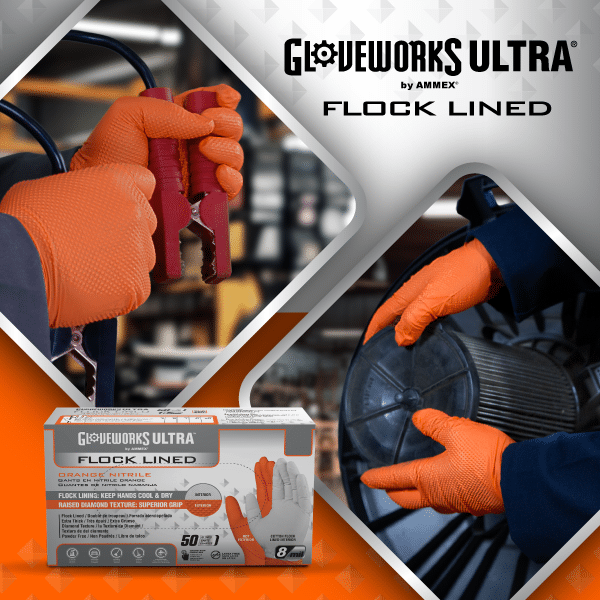
When jobs get tougher, technicians need a glove that can keep up. That’s where the high-visibility, silicone-free GWON shines. Designed specifically for demanding automotive environments, these heavy-duty nitrile gloves feature Raised Diamond Texture technology that delivers exceptional grip in oily, wet, and greasy conditions.
Whether technicians are working on engines, transmissions, brakes, tires, or heavy equipment, GWON helps them maintain control of tools and parts while reducing hand fatigue. The raised diamond texture channels away liquids for a confident grip, while the high-visibility orange color makes gloves easier to see in low-light work areas. Combined with outstanding durability and chemical resistance, GWON has become the premium choice for professional technicians who demand maximum performance from their PPE.
AMMEX: One Partner. Every Automotive Application.
Every automotive operation is different, but the goal is the same: keep technicians protected, productive, and comfortable throughout the day. From the value-driven BX3, to the versatile GPNB, to the premium performance of GWON, AMMEX® offers a glove solution for every task, every technician, and every budget.
When you find the right glove, you’re not just improving safety. You’re improving efficiency, confidence, and the overall performance of your business. The right glove helps technicians focus on the repair, not their hands, ensuring they can deliver their best work on every vehicle that enters the shop.
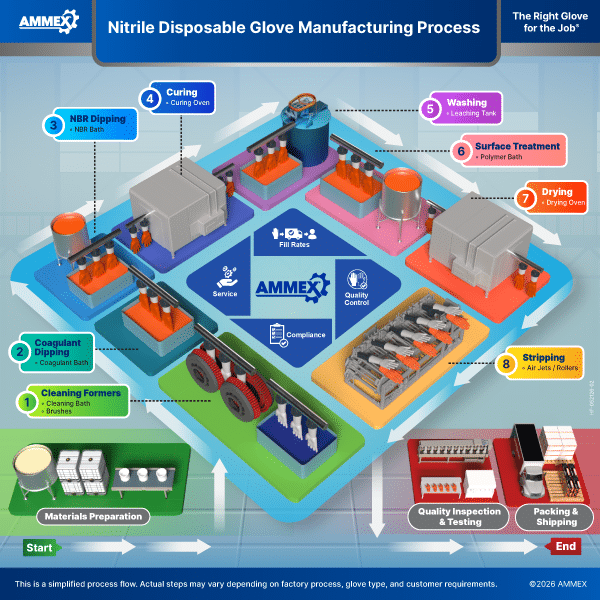
Plus, every glove is backed by AMMEX® quality, compliance, service, and industry-leading product fill rates.
Frequently Asked Questions About Disposable Gloves for Automotive Work
Why are disposable gloves important in automotive repair?
Automotive technicians regularly encounter motor oil, brake fluid, transmission fluid, grease, solvents, cleaners, fuels, paints, and other chemicals that can irritate or damage skin. Disposable gloves help protect hands from chemical exposure, cuts, abrasions, and contamination while keeping technicians cleaner and more productive throughout the workday.
What type of disposable glove is best for automotive work?
Nitrile gloves are generally considered the best choice for automotive applications because they offer excellent resistance to oils, chemicals, and punctures while providing comfort and dexterity. AMMEX offers nitrile gloves ranging from economical options for general shop use to heavy-duty gloves designed for demanding mechanical work.
Which AMMEX glove is best for oil changes and vehicle detailing?
X3® Industrial Black Nitrile (BX3) is an excellent choice for oil changes, detailing, inspections, parts handling, and other light-duty automotive tasks. It provides reliable protection and comfort while helping shops control glove costs.
Which glove offers the best balance of durability and value?
Gloveworks® Black Nitrile (GPNB) is often considered the ideal “all-purpose” automotive glove. It combines durability, dexterity, comfort, and professional appearance, making it suitable for a wide range of repair and maintenance tasks.
Why do so many technicians prefer black nitrile gloves?
Black nitrile gloves help hide grease, oil, and grime, maintaining a cleaner professional appearance during customer interactions. They also provide strong chemical resistance and excellent tactile sensitivity for detailed work.
What is the advantage of Raised Diamond Texture (RDT) gloves?
The raised diamond texture found on Gloveworks® Orange Nitrile (GWON) improves grip and channels away oil, grease, and liquids. This helps technicians maintain a secure grip on tools and components, even in challenging working conditions.
Which glove is best for engine, transmission, and brake work?
For demanding automotive repairs, Gloveworks® Orange Raised Diamond Texture Nitrile (GWON) is the premium choice. Its heavy-duty construction, exceptional grip, and superior durability help technicians tackle tough jobs with confidence.
Are AMMEX gloves suitable for automotive paint and finishing applications?
Yes. Gloveworks Black Nitrile (GPNB) and Gloveworks® Orange Nitrile (GWON) are silicone-free, making it an excellent choice for paint preparation, body shop work, and finishing applications where contamination can negatively affect paint adhesion and surface quality.
How can the right glove improve shop productivity?
The right glove reduces tearing, improves grip, increases comfort, and minimizes interruptions caused by glove changes. When technicians can focus on the repair rather than hand discomfort or glove failure, jobs are completed more efficiently and safely.
How do I choose between Good, Better, and Best gloves for Automotive work?
- Good: X3® Black Nitrile (BX3) for light-duty tasks and value-focused operations.
- Better: Gloveworks® Black Nitrile (GPNB) for everyday versatility and all-around performance.
- Best: Gloveworks® Orange Raised Diamond Texture Nitrile (GWON) for maximum grip, durability, and protection in demanding automotive environments.
AMMEX® | The Right Glove for the Job®