When companies buy disposable gloves, they are not simply purchasing a box of nitrile, latex, or vinyl products. They are making decisions that affect workers’ safety, productivity, compliance, and operational costs. In a market filled with similar-looking products and fluctuating supply conditions, expert service can be just as valuable as the gloves themselves. That is where AMMEX stands apart, we are not just looking to sell gloves to our customers; we help them buy the right ones. In short, our team is not looking to make a sale; our culture is built to help a customer.
For more than 35 years, AMMEX has focused on helping customers find the right glove through a combination of product expertise, dependable supply, and personalized support. Rather than treating glove purchasing as a transaction, the service team at AMMEX works closely with suppliers, distributors, retailers, and end users to understand their specific applications and recommend products that align with their operational needs.
One of the biggest challenges buyers face is navigating dozens of glove options. Thickness, material, texture, durability, chemical resistance, and industry requirements can all influence the best choice. AMMEX addresses this complexity by providing dedicated sales and customer service representatives to each client. Our team helps evaluate their needs and select the most appropriate products. This consultative approach helps customers avoid overbuying, under-specifying, or choosing gloves that may not perform as expected in real-world applications.
Our focus on service extends beyond product recommendations. AMMEX supports customers with no-cost samples, educational resources, market insights, and guidance on compliance and workplace safety. Whether it’s about growing glove sales, evaluating new hand protection and compliance requirements, or a search for improved quality and durability, our service team provides access to knowledgeable experts who understand the industry.
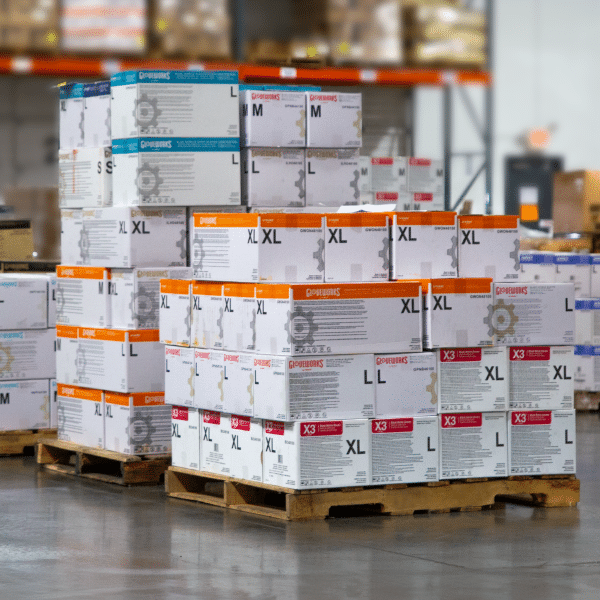
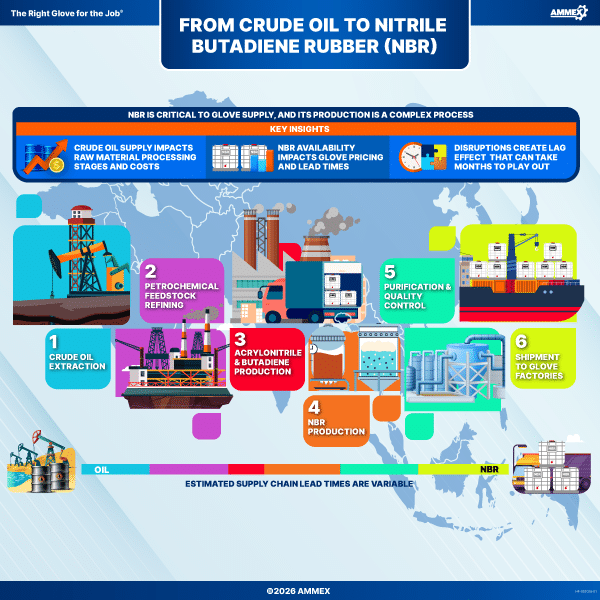
Reliability is another critical component of service. AMMEX emphasizes industry-leading fill rates, in-person quality inspections, and strong supply chain management to help ensure products are available when customers need them. In an industry where stockouts and quality issues can disrupt operations; our consistent product availability and dependable performance help reduce risk and improve customer confidence.
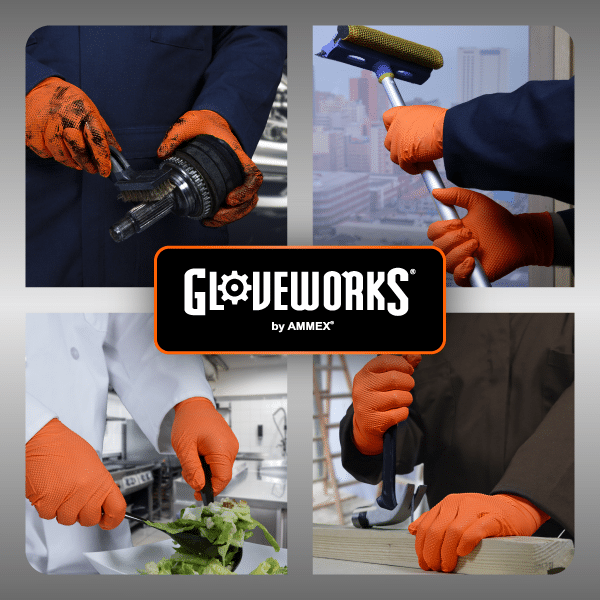
Ultimately, regardless of which product or brand you choose – Gloveworks®, AMMEX Professional®, or X3®, our team emphasizes close communication with customers and prioritizes their outcomes. The right glove can improve worker satisfaction, enhance safety, reduce waste, and lower overall operating costs. The service team at AMMEX is committed to personalized support, product expertise, and operational reliability. We help customers make more informed purchasing decisions and achieve better results. In a competitive disposable glove market, exceptional service is a key benefit for everyone who connects with AMMEX.
Here are a few of the common questions that our service team can help with:
How is AMMEX different from other disposable glove suppliers?
AMMEX focuses on helping customers buy the right glove. Our team takes a consultative approach by understanding each customer’s application, industry requirements, and operational goals before making recommendations.
What types of customers does AMMEX support?
AMMEX works with suppliers, distributors, retailers, and large end users across a wide range of industries, including automotive, food service, janitorial and sanitation, industrial, and medical environments.
How does AMMEX help customers select the right glove?
Each customer works with dedicated sales and customer service professionals who help evaluate factors such as glove material, thickness, durability, grip, chemical resistance, compliance requirements, and budget considerations.
What glove materials does AMMEX offer?
AMMEX offers a variety of disposable glove materials, including nitrile, latex, vinyl, and specialty products designed for specific applications and work environments.
Can AMMEX provide product samples?
Yes. AMMEX offers no-cost product samples so customers can evaluate glove performance, fit, comfort, and durability before making a purchasing decision.
Does AMMEX provide guidance on regulatory compliance?
Absolutely. Our team helps customers understand glove specifications, compliance requirements, and product certifications relevant to their industry and application.
What if I am unsure which glove is best for my application?
That is exactly what our team is here for. AMMEX specialists will ask questions about your work environment, tasks, hazards, and performance expectations to recommend the most appropriate solution.
How does AMMEX help disposable glove customers grow their business?
AMMEX provides product expertise, marketing support, industry insights, training resources, and recommendations that help organizations better understand the disposable glove industry.
Why do fill rates matter when buying disposable gloves?
Strong fill rates help ensure products are available when needed, reducing backorders, disruptions, and the costs associated with inventory shortages.
How does AMMEX help ensure product quality?
AMMEX has global, on-the-ground teams that emphasize rigorous quality standards, 100% in-person inspections at the factory, and supply chain oversight to help deliver consistent product performance and reliability.
What educational resources does AMMEX provide?
Customers have access to blogs, product information, industry insights, market updates, training materials, video and written content, as well as expert guidance designed to help them make informed purchasing decisions.
Can AMMEX help reduce glove costs?
Yes. The lowest-cost glove is not always the most economical choice. AMMEX helps customers evaluate total value, including glove performance, durability, worker acceptance, product availability, and operational efficiency.
What industries benefit most from AMMEX’s consultative approach?
Any industry that relies on disposable gloves can benefit, particularly those with specific safety, compliance or productivity requirements.
What is the AMMEX philosophy on customer service?
Our philosophy is simple: we are not here just to sell disposable gloves. We are here to help customers buy the right gloves. Every interaction is focused on understanding customer needs, delivering expert guidance, and supporting long-term success.
AMMEX® | The Right Glove for the Job®