Currency Exchange Rate Provides a Key Glove Market Insight

Last in a series

Currency has real impact on disposable glove prices. The currency exchange rate has been favorable to U.S. buyers in the single-use glove market the last few months, with a strong dollar trading at its highest rate in 20 years. If the dollar should stumble, glove prices are likely to feel upward pressure.

That is why it’s important to monitor international markets closely. If you hear the dollar is weakening, be prepared—and prepare your customers for what could lie ahead.

Continue reading

Are Your Gloves Compliant? They Are If They Come From AMMEX

A person holds a clipboard with a factory in the background.

AMMEX’s adherence to industry regulations and standards is not just a matter of procedure—it’s also a fundamental aspect of ensuring user safety and product excellence.

Non-compliance in the disposable glove industry can lead to severe consequences, including the risk of transmitting infections, particularly in sensitive environments like healthcare. Non-compliance also raises concerns about the presence of harmful substances, allergens, and insufficient protection against chemicals and pathogens.

Continue reading

Maximize Industrial Safety With Gloveworks Nitrile RDT

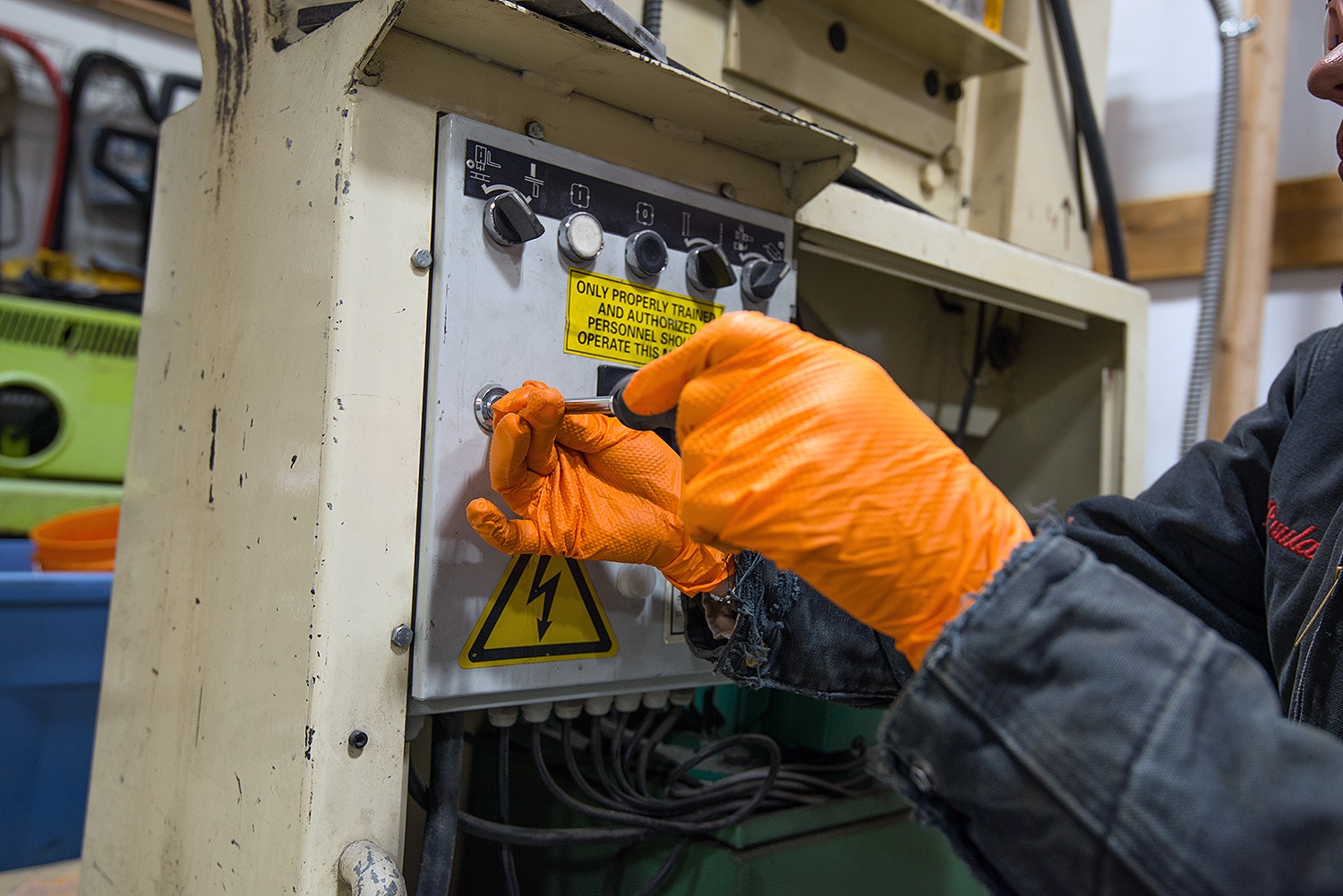
A worker wearing orange nitrile gloves from Gloveworks adjusts a machine.

If you work with heavy machinery or use tools all day on the job, there is a significant risk to your hands from sharp edges, abrasive surfaces, chemicals, and other potentially harmful objects or substances.

When it comes to hand protection for hazardous environments, you want Gloveworks Nitrile with Raised Diamond Texture (RDT) on your side. These gloves stand up to the rigors of tools and machinery while also delivering dexterity, durability, and—maybe best of all—comfort.

Continue reading

We Don’t Just Sell You Gloves: Our Programs Help You Sell More Gloves

Two people shaking hands.

Have you ever had questions about which disposable gloves match your needs? Although the topic may seem mundane, single-use gloves are a lot more nuanced than many people think.

In a business that has become largely transactional, AMMEX has systems and processes in place to make sure your questions are answered and your needs fulfilled—by actual humans.

Continue reading

Schematic Floor Plans Can Help Make Glove Sales More Visual, Engaging

Food processor wearing nitrile gloves makes bread.

AMMEX has been selling disposable gloves for 35 years. Questions come up daily about how we help customers find the right gloves for their jobs.

Let’s face it: Disposable gloves are out of the ordinary compared with the staples that industrial distributors carry. We know how surprisingly challenging gloves can be to sell effectively; they have specific attributes and target specific needs, and there can be a learning curve in getting all the details just right. We have many tools that answer many glove questions for you. So instead of researching product specifics, you can focus on pitching, prospecting, and closing.

Continue reading

Gloves’ Journey to U.S. Markets Begins Half a World Away

A container ship sails on the ocean with a cloudy sky.

International shipping is another cost variable that exerts outsized influence on the price of disposable gloves.

Ocean freight rates in 2023 have been on a steady decline for shipping containers from SE Asia to U.S. West Coast ports. Experts fear transport companies will try to force up prices by making fewer voyages and leaving containers behind, delaying the delivery of goods.

Continue reading

Disposable Glove Market Less Likely to Feel Impact of Recession

2023 stylized with a bull's eye instead of the zero and economic goals written out in the background.

Second of two parts

Most economists are in agreement on one word to describe what 2023 holds for the U.S. economy: uncertainty. The divergence of views on what will happen is as large as it has been in many years.

A steady drumbeat of “recession is coming” rattled around the public consciousness for the last half of 2022. The Federal Reserve raised interest rates seven times last year in an effort to throttle inflation. Underperforming stock markets have not helped matters.

Continue reading