We love the fact that our customers are not easily satisfied.
That has been one of AMMEX’s central tenets over our 35-plus years in business. It prevents taking anybody for granted and motivates us to do whatever it takes to keep customers happy.
Of course it does, but it is likely that every glove supplier views it differently.
At AMMEX, we directly inspect every shipment right at the factory—100% of them, unlike any other independent glove supplier. We work with dozens of factories and trust them to follow our detailed specifications. But, in the words of Ronald Reagan, we “trust, but verify.”
Have you ever had questions about which disposable gloves match your needs? Although the topic may seem mundane, single-use gloves are a lot more nuanced than many people think.
In a business that has become largely transactional, AMMEX has systems and processes in place to make sure your questions are answered and your needs fulfilled—by actual humans.
Let’s face it: Disposable gloves are out of the ordinary compared with the staples that industrial distributors carry. We know how surprisingly challenging gloves can be to sell effectively; they have specific attributes and target specific needs, and there can be a learning curve in getting all the details just right. We have many tools that answer many glove questions for you. So instead of researching product specifics, you can focus on pitching, prospecting, and closing.
Over the past three years, three primary variables—production, transcontinental logistics, and U.S. market logistics—have combined to keep the disposable glove market dynamic and at times volatile. Their impact has been surprisingly outsized.
In 2020, the pandemic turned the market (and the world) upside down. Shortages and price increases added challenges at every level of the business. Manufacturers turned their production lines over to thin medical-grade gloves. As a result, industrial products—especially thick and heavy nitrile—became scarce and expensive.
The new year has the potential to be wildly successful for distributors that sell disposable gloves. In 2023, the $15 billion-plus market will continue to evolve as we put the worst of the pandemic behind us.
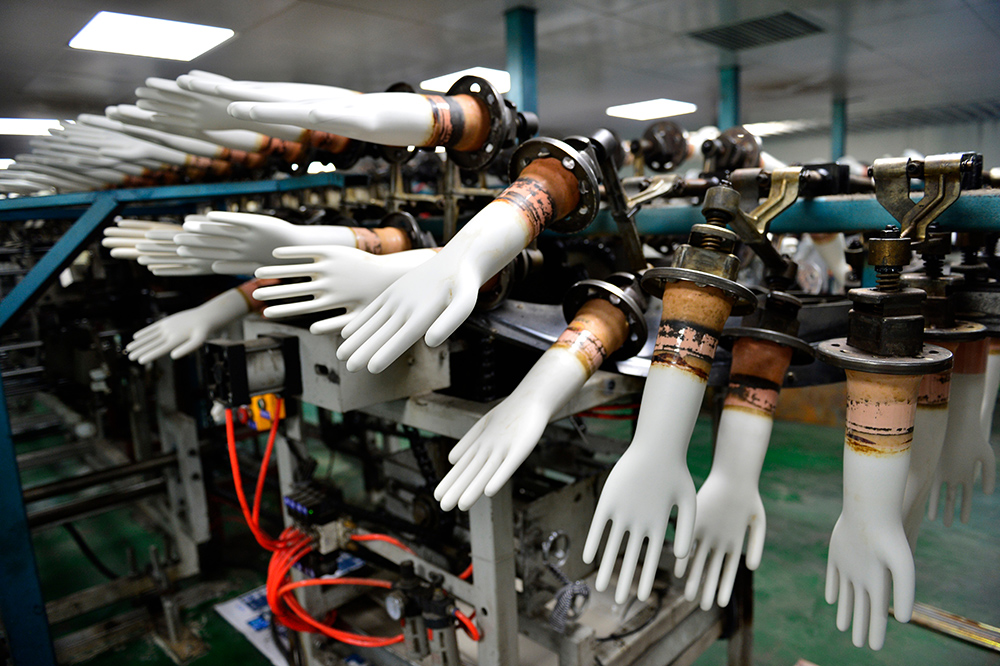
We frequently get questions about what’s involved in making gloves. We’ve also published a few blog posts over the years describing the manufacturing process, and they’re always among our most popular.
If your glove customers are cost conscious above all, vinyl should be your first recommendation. There are three industries in which they are a perfect fit under most circumstances.
Of the most common disposable glove materials, nitrile is far and away the most popular. Latex may have better fit, feel, and comfort—and vinyl may have a lower price point—but it’s difficult to beat nitrile for its all-around appeal.
Nitrile disposable gloves have for years been a popular alternative to latex in many industries, especially those that require more interaction with harsh chemicals and solvents, such as automotive work.