That is, of course, not a universal statement; many vendors have good, even great, relationships with customers. For the most part, though, the disposable glove industry is where one business sells a commodity to another: It’s purely transactional.
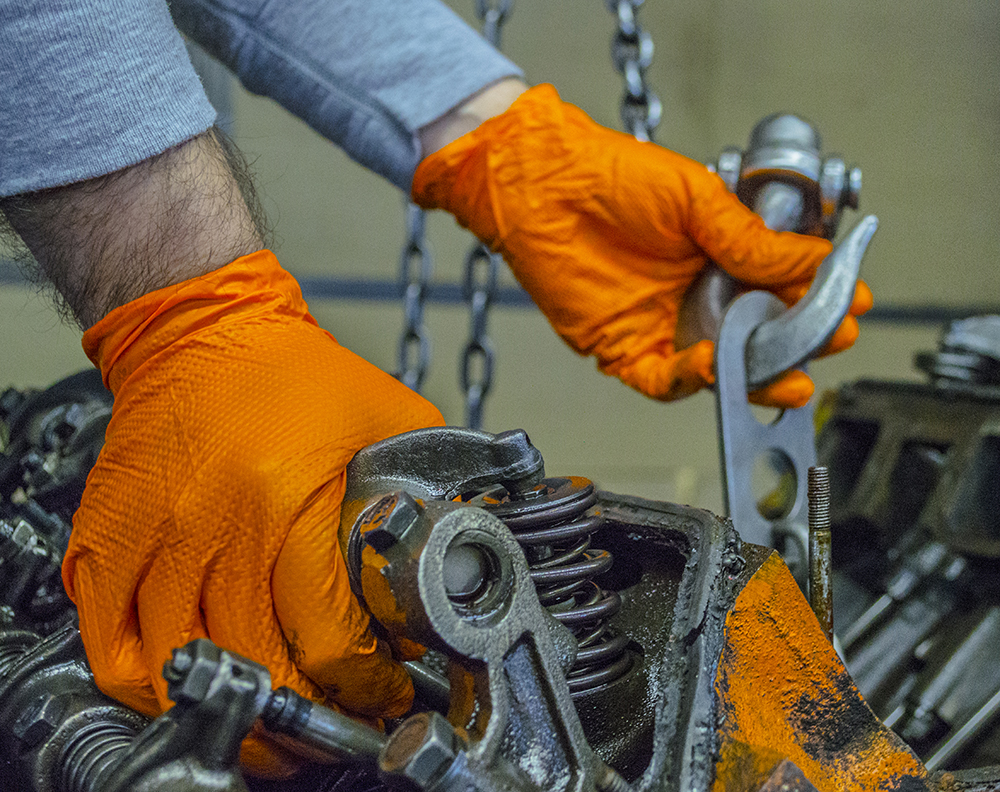
Historically, people who work on cars and trucks have not widely used disposable gloves. For generations of mechanics, hand protection simply was not a big concern.
Why? In many cases—at least until the last couple decades—they lacked the information they needed to make the right choice for safety. Heck, even today the industry is only 120 or so years old. The evolution to new ideas can be long and laborious.
Costs of doing business in the disposable glove market seem to be leveling off after several years of big swings. United Parcel Service and the Teamsters reached a deal to avoid a strike by getting the raises the drivers wanted. Thus, higher labor costs will likely affect the price of most goods they transport.
The International Longshore and Warehouse Union and Pacific Maritime Association also forged their own deal after months of labor strife; you can expect that agreement to eventually factor into product costs as well.
The pandemic boosted demand, and more gloves are used in North America than ever. At the same time, many large distributors and end users are still dealing with excess inventory, as prices have dropped and challenges with labor, logistics, and factory utilization continue.
The market, and the aspects of distribution surrounding it, are extremely nuanced. We don’t have a crystal ball, so we’re not telling you what will happen. We’re not even trying to make predictions—our goal is to highlight the primary factors influencing the market.
From working with machinery to encountering chemicals and hazardous materials to protecting products from contamination, gloves factor into just about any scenario that involves making things. Many jobs require specialty protection like extra-thick neoprene, cut-proof, or “armored” and padded work gloves, but just about everyone needs some degree of hand safety.
The push is on to return workers to offices across the country. Both commercial and government entities are exerting pressure to persuade currently remote employees to come in from the field, at least three days a week and in many cases full-time.
That puts janitorial and sanitation workers in the spotlight once again. Offices that have sat vacant since the pandemic first spread in 2020 again will have to be regularly cleaned and sanitized.
Our nitrile disposable gloves set the industry standard well more than a decade ago. Since then we have become the leading independent distributor of single-use gloves in North America. Our Gloveworks brand is synonymous with top-quality hand protection, and our service is renowned for helping customers find the right glove for the job, every time.
The first half of 2023 has seen a number of factors pose challenges: threats of recession, interest rate hikes, persistent inflation, and a general sense of dread about the short-term health of the economy (which has, nevertheless, largely remained strong).