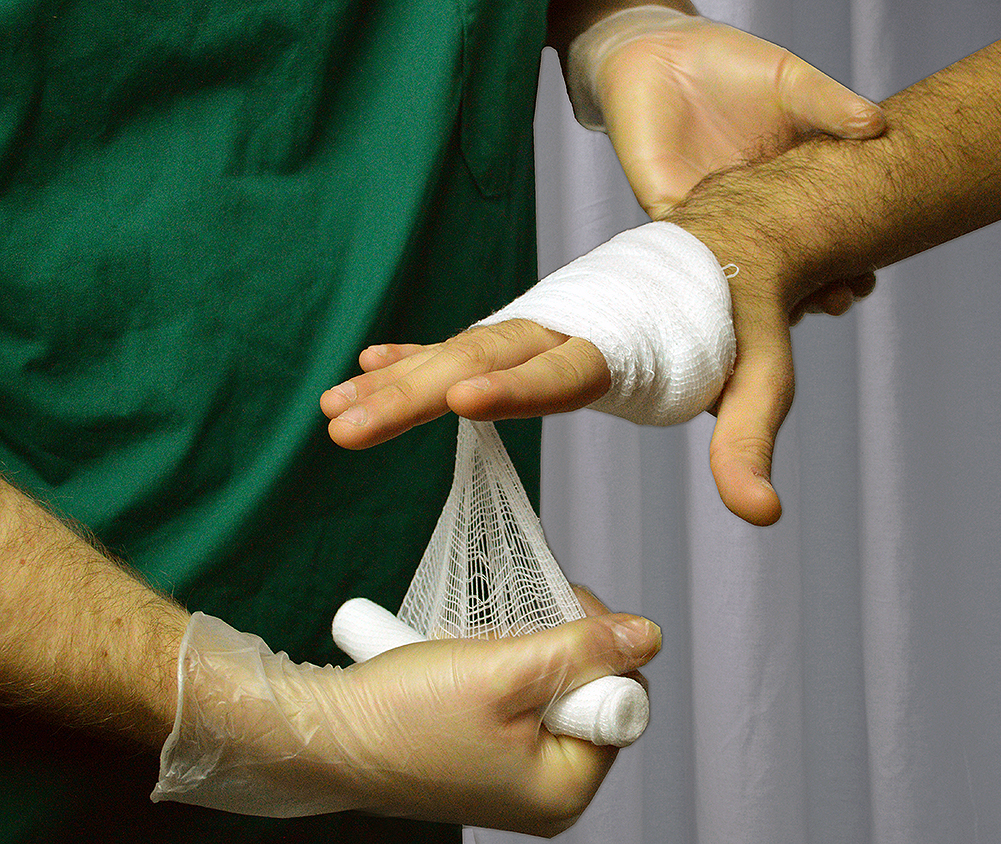
Given the many uses for disposable gloves, they must undergo rigorous inspection before they are ready for sale. In the automotive, janitorial-sanitation and agricultural industries, workers deal with a number of harsh chemicals, which means the gloves they wear must be proven to provide the right amount of protection. The same is true for medical applications, where employees need a safe barrier against pathogens.
Glove Up to Prevent Spread of Equine Coronavirus
Due to an increasing number of cases of equine coronavirus (ECoV) in adult horses, horse handlers have been advised to wear disposable gloves and take other precautions to keep the disease from spreading, according to equine health publication The Horse.
Continue reading “Glove Up to Prevent Spread of Equine Coronavirus”
Six Common Chemicals that Require Disposable Gloves
When it comes to using disposable gloves, opportunities are everywhere. In fact, we have received so many great contest entries for our Annual AMMEX #NotWithoutGloves Twitter Contest, reminding us of the countless opportunities of what not to touch – not without gloves. There are many opportunities for disposable glove distributors too. Consider the products that you or your customers sell; many may contain multiple chemicals. Did you know that there are six common chemicals that require disposable gloves? In fact, there are many common chemicals that require disposable gloves according to OSHA and as stated by many manufacturers instructions on product packaging. Along with warmer weather, Spring also brings many overdue home projects that involve the use of common chemicals. These chemicals can be found in products such as pesticides, wood stains, and paints and lacquers. Before your next project, read the product instructions and protect yourself from these six common chemicals that require disposable gloves.
Continue reading “Six Common Chemicals that Require Disposable Gloves”
Barrier Protection Needs in the Beauty Industry
Whether customers seek no-chip manicures or a relaxing foot massage, nail and beauty technicians need barrier protection to guard themselves against harsh chemicals and pathogens. This presents a large sales opportunity for distributors of disposable gloves and masks.
Continue reading “Barrier Protection Needs in the Beauty Industry”
Not without Gloves: Lacquer and Paint Thinners
Lacquer and paint thinners are harsh solvents that should not be handled without the correct personal protective equipment (PPE). This is because these substances, which are used in the construction, automotive, retail and maritime industries, present several health risks when they are not handled safely.
Continue reading “Not without Gloves: Lacquer and Paint Thinners”
Not without Gloves: Perchloroethylene
There are a number of things you shouldn’t touch without gloves, but AMMEX has you covered with superior barrier protection. Perchloroethylene is a non-flammable, colorless, volatile organic compound frequently used in dry cleaning applications. It is also known as tetrachloroethylene, PCE and PERC. While dry cleaning fabrics is the most common use for PERC, it is also used to manufacture other chemicals, such as chlorofluorocarbons, rubber coatings, insulating fluid or cooling gas for electrical transformers, solvent soaps, printing inks, adhesives, leather treatments and automotive cleaners, among others.
Not Without Gloves: Harmful Chemicals in Beauty Salons
Hairstylists and salon professionals have a unique need for superior barrier protection. There is a variety of extremely hazardous chemicals that these professionals come into contact with every day. In some cases, nail technicians or stylists may not be using the right disposable gloves for the job – or even using gloves at all! The chemicals used in salons may not pose a significant risk if you come into brief contact with them every couple of months… but for those who interact with them day after day, there are serious health consequences. Here is a list of the most common and dangerous chemicals used in salons:
Continue reading “Not Without Gloves: Harmful Chemicals in Beauty Salons”
The Right Gloves for the Job: Part V Agricultural
In the agricultural industry, workers are involved in a number of tasks where gloves serve as a protective barrier. These duties include working with livestock, handling chemicals such a herbicides and disinfectants and dealing with contaminated soil.
Continue reading “The Right Gloves for the Job: Part V Agricultural”
Why Nitrile Gloves are Best for Dairy Farming
Disposable gloves have many uses in agriculture, especially when it comes to dairy farming. Nitrile gloves, for example, are perfect for this application.
Continue reading “Why Nitrile Gloves are Best for Dairy Farming”
Best Practices for Donning a Glove
When individuals put on a glove, they may not give any thought to how they go about this process, but there are specific steps wearers must take to ensure their gloves fit properly.