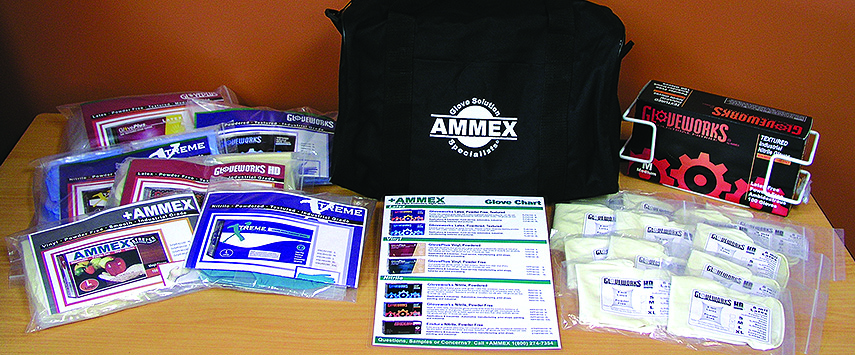
Given the many uses for disposable gloves, they must undergo rigorous inspection before they are ready for sale. In the automotive, janitorial-sanitation and agricultural industries, workers deal with a number of harsh chemicals, which means the gloves they wear must be proven to provide the right amount of protection. The same is true for medical applications, where employees need a safe barrier against pathogens.
Glove Up to Prevent Spread of Equine Coronavirus
Due to an increasing number of cases of equine coronavirus (ECoV) in adult horses, horse handlers have been advised to wear disposable gloves and take other precautions to keep the disease from spreading, according to equine health publication The Horse.
Continue reading “Glove Up to Prevent Spread of Equine Coronavirus”
The Many Uses for Gloves in a Facility
There are various types of facilities, each of which having numerous applications that require disposable gloves. Within these facilities, numerous tasks – some core to the business and other supporting – are undertaken, and each of these instances requires a certain level of protection.
Not without Gloves: Wood stains
Wood stains come in a variety of compositions and consistencies. Some are semi-transparent, and others are intended to create a thick coating over the wood. Because of the variety of products on the market, specific stains may have multiple hazardous chemicals in them. Here are some chemicals commonly found in wood stains and effective disposable gloves for each:
Not without Gloves: Specialty Chemicals
Specialty chemicals are produced to serve a specific function and may be composed of a single chemical or a blend. Specialty chemicals often have an influence on the end product in the manufacturing process and are commonly used in the oil industry, agriculture, electronics, construction and consumer goods, such as detergents, perfumes and paper items. Because these blends vary depending on the application, specialty chemicals should always be handled with care, which means utilizing gloves and other personal protective equipment (PPE).
Not Without Gloves: Pesticides
Pesticides should always be handled with the proper barrier protection. Different formulations target various organisms, such as insects, rodents, algae, weeds and fungi. The U.S. Environmental Protection Agency regulates the use of all pesticides and requires chemicals that have been registered for many years to be reassessed to ensure they meet current standards.
EMS Workers Must Follow Proper Glove Procedures
Emergency medical services (EMS) workers go through a lot of training regarding safety when donning and doffing barrier clothing such as disposable gloves, according to the Journal of Emergency Medical Services.
Continue reading “EMS Workers Must Follow Proper Glove Procedures”
Emphasize Safety with PPE
Ensuring workplace safety is no easy task, especially in industrial environments with the potential for many hazards. Depending on the industry, workplaces have risks of slips, falls, dangerous equipment and machinery or toxic chemicals. Even though establishing a safe workplace is a complicated undertaking, providing the right safety equipment is less expensive than coping with injuries in the long run.
Disposable Glove Usage: Industrial Safety and Chemical
Did you know the industrial, safety and chemical industries had the highest disposable glove revenue, on par with the medical and dental industry in 2012? Not only was this sector the top contender for industrial markets that year, analysts project it will continue to have the second highest overall revenue by 2022.
Continue reading “Disposable Glove Usage: Industrial Safety and Chemical”
Disposable Gloves in the Food Industry
When it comes to disposable glove usage in the food processing and food service industries, the phrase “less is more” finds a home.