Currency Exchange Rate Provides a Key Glove Market Insight

Last in a series

Currency has real impact on disposable glove prices. The currency exchange rate has been favorable to U.S. buyers in the single-use glove market the last few months, with a strong dollar trading at its highest rate in 20 years. If the dollar should stumble, glove prices are likely to feel upward pressure.

That is why it’s important to monitor international markets closely. If you hear the dollar is weakening, be prepared—and prepare your customers for what could lie ahead.

Continue reading

Logistics, Currency Issues Complicate Single-Use Glove Market

A container ship sails into the sunset.

Third of four parts

Throughout 2023, due to higher interest rates in the United States, the U.S. dollar exchange rate has been strong when compared with Asian currencies—and that helped to keep glove prices lower. The dollar exchange rates are now off their highs, which will erode the buying power of U.S. buyers.

This is all the more reason to order early and fill your inventory before outside factors complicate the market. AMMEX boasts a 98%-plus fill rate on its top products, so you stand to take advantage of an excellent opportunity.

Continue reading

Glove Market Update: Factory Utilization Likely to Stay Low Into ’24

Hand formers at a disposable glove factory wait between uses.

Most disposable glove factories prefer to run their production lines almost non-stop to make money, in a concept known as factory utilization. It is common that a factory needs a 50% utilization rate to break even.

Throughout 2023, factory utilization rates for most of the disposable glove industry have been well below 50% because of massive capacity added during the pandemic and high excess inventory amounts at the end-user level.

Continue reading

Schematic Floor Plans Can Help Make Glove Sales More Visual, Engaging

Food processor wearing nitrile gloves makes bread.

AMMEX has been selling disposable gloves for 35 years. Questions come up daily about how we help customers find the right gloves for their jobs.

Let’s face it: Disposable gloves are out of the ordinary compared with the staples that industrial distributors carry. We know how surprisingly challenging gloves can be to sell effectively; they have specific attributes and target specific needs, and there can be a learning curve in getting all the details just right. We have many tools that answer many glove questions for you. So instead of researching product specifics, you can focus on pitching, prospecting, and closing.

Continue reading

On U.S. Shores: Domestic Logistics Further Add to Glove Costs

Driving a truck down an empty highway toward the sunset.

Domestic transportation prices—another important variable in the overall cost of single-use gloves—spiked during the pandemic. They have been dropping, but are unlikely to return to pre-pandemic levels due to the cost of labor and the general impact of inflation and higher interest rates.

Most companies that need warehousing to store imported products, such as disposable gloves, have seen significant price increases over the past two to three years. Even as supply chain inflation slows, warehouse rates are high because there is a lot of inventory, which leaves less space for new product.

Continue reading

Production Costs Set Foundation for Disposable Glove Pricing

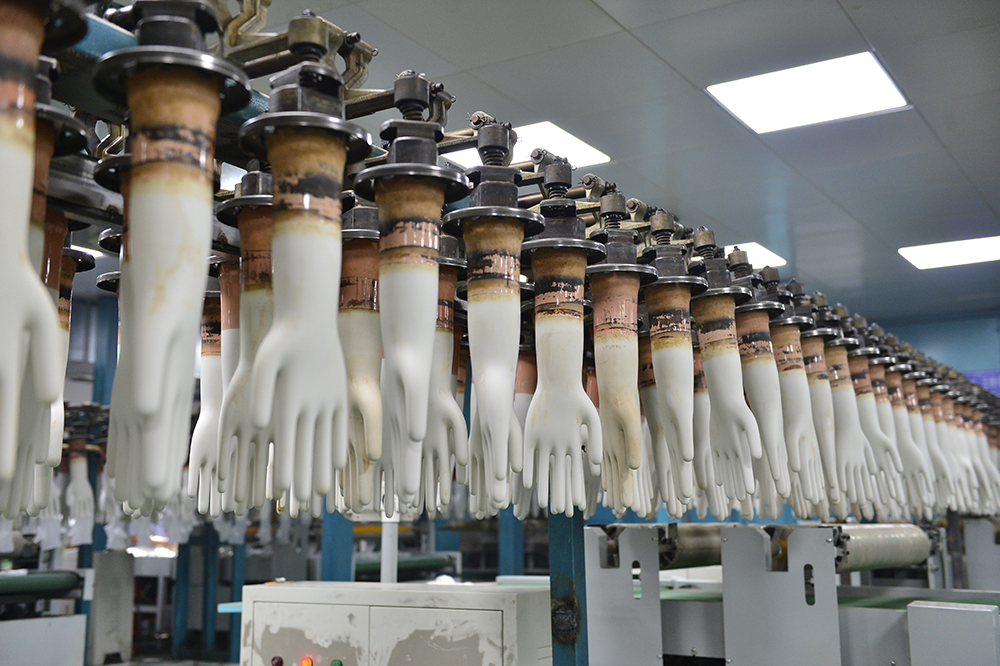
Disposable glove formers hang upside down on a production line.

The three primary variables that have an often outsized impact on the single-use glove market are production, international logistics, and U.S. market conditions. Within those variables are a number of sub-variables that can move in opposite directions and in different timelines.

Production happens primarily in Southeast Asia, where up to 80% of single-use gloves are made. The biggest glove-making countries are Malaysia and Thailand—which have dominated the glove trade for years—Vietnam, and Indonesia. China is also a growing player in the global market.

Continue reading

Finishing Disposable Gloves: How to Make Them Easy On, Easy Off

Hands pull on disposable gloves.

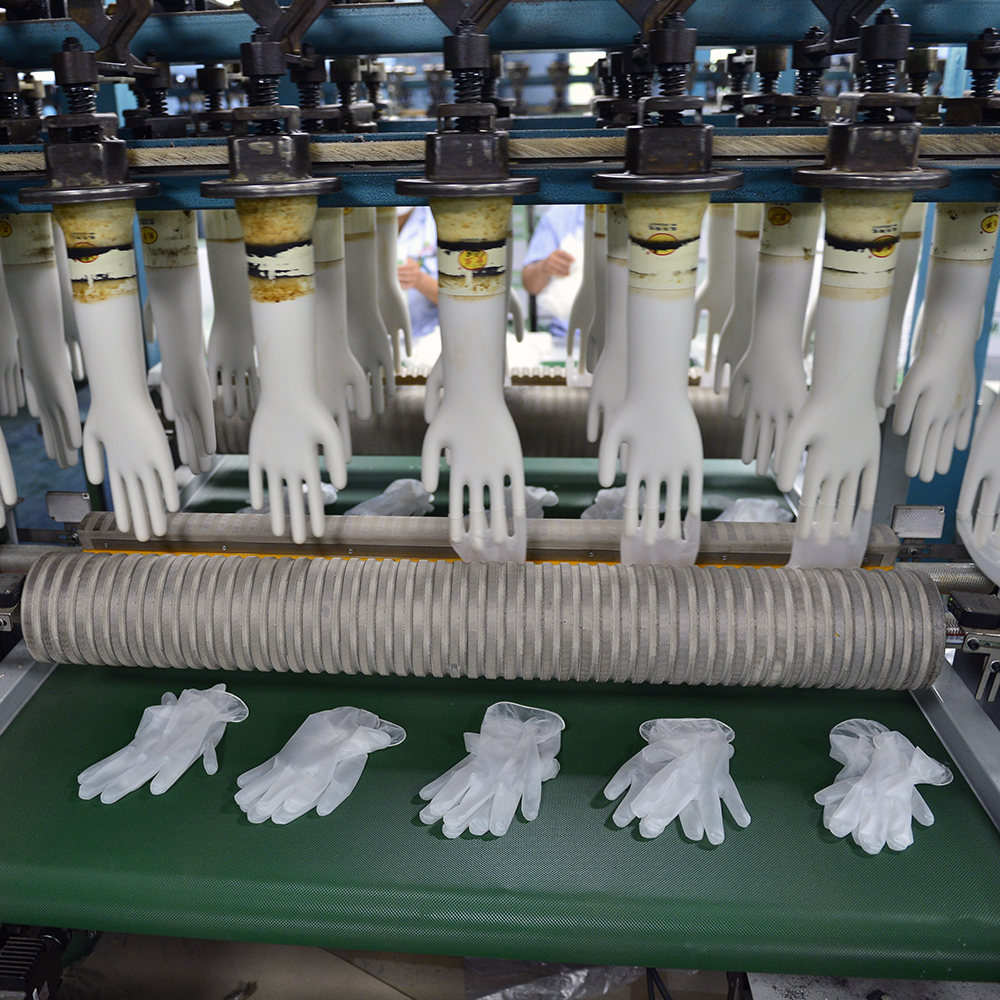
After gloves go through the production process—formers dipped in solution, dried in high heat, rinsed in a chlorinated solution (in the case of latex), dried again—their interior needs to be finished.

This process makes it easier to pull on and remove gloves. Without interior finishing, gloves can stick to skin and cause a struggle to get them on or off.

Continue reading

Risk of Latex Allergies Should Drive Your Transition to Nitrile

Dental technician wears nitrile disposable gloves while working.

Latex allergies get a lot of attention, especially in the disposable glove business. An important part of finding “the right glove for the job” is determining whether the person wearing said glove is allergic to natural rubber latex proteins, and recommending substitutes if necessary.

In truth, such allergies are rare. They affect approximately 1 percent of the general population and 8 to 12 percent of healthcare workers. (Latex allergies become more prevalent in people who are exposed to the material regularly, and most medical-grade gloves are made from latex.)

Continue reading