The dangers of fentanyl have been widely reported. The drug, developed in 1959 as an intravenous analgesic and anesthetic, is one of the most abused synthetic opioids in North America and a primary driver of overdose deaths among young people.
In the food service industry, preventing cross-contamination of all kinds is Job One. When you’re preparing food for customers with allergies, it’s even more important.
Disposable gloves are critical, as they provide a barrier that helps ensure allergen-sensitive food preparation is uncontaminated. Allergens are always top of mind at AMMEX—and we have the right gloves for the job.
AMMEX has been importing disposable gloves for more than 35 years. We have established policies and procedures to ensure consistent quality that meets all required standards, but we take it one step further by performing in-person inspections of every shipment before it leaves the factory.
This isn’t a common practice in the disposable glove market, but at AMMEX we took the proactive approach of setting up a team of highly trained glove professionals to catch issues early in production.
Compliance is not a flashy topic in the realm of disposable gloves.
Despite its lofty position as one of four pillars in AMMEX’s core capabilities—along with fill rates, quality control, and customer service—it may not enjoy the buzz that surrounds the other three.
Janitorial & sanitation businesses need predictability and consistency. No one likes surprises, especially when it comes to their hand protection.
Those “bargain” disposable gloves that promised savings of a couple bucks per box? Maybe they hold up OK with light-duty tasks. But maybe they don’t—and workers ended up with glove after glove ripping, or leaking when working with cleaning solutions, or shredding when even the slightest resistance is met.
Color is important in any discussion of disposable gloves, even if there are no industry standards for different colors of gloves. What makes it important is what you and your company do with it: Creating a color-coding scheme can prove beneficial in a variety of ways, from hygiene to general organization.
Thirty-five years ago, when AMMEX was just getting started, industrial gloves came in essentially two variations: ivory or off-white for latex, and for vinyl and poly, opaque or transparent.
Disposable gloves can seem pretty, well, disposable sometimes. You get 100 in a box, 1,000 in a case, and if one or two prove defective, hey, those are the breaks (or rips or punctures). Why would that be a big deal to anyone?
Unlike many other vendors in the disposable glove industry, AMMEX is focused on delivering products and solutions through sustainable processes for our customers and operating our business in a responsible way. In 2024, we are committed to an agenda of achieving measurable targets.
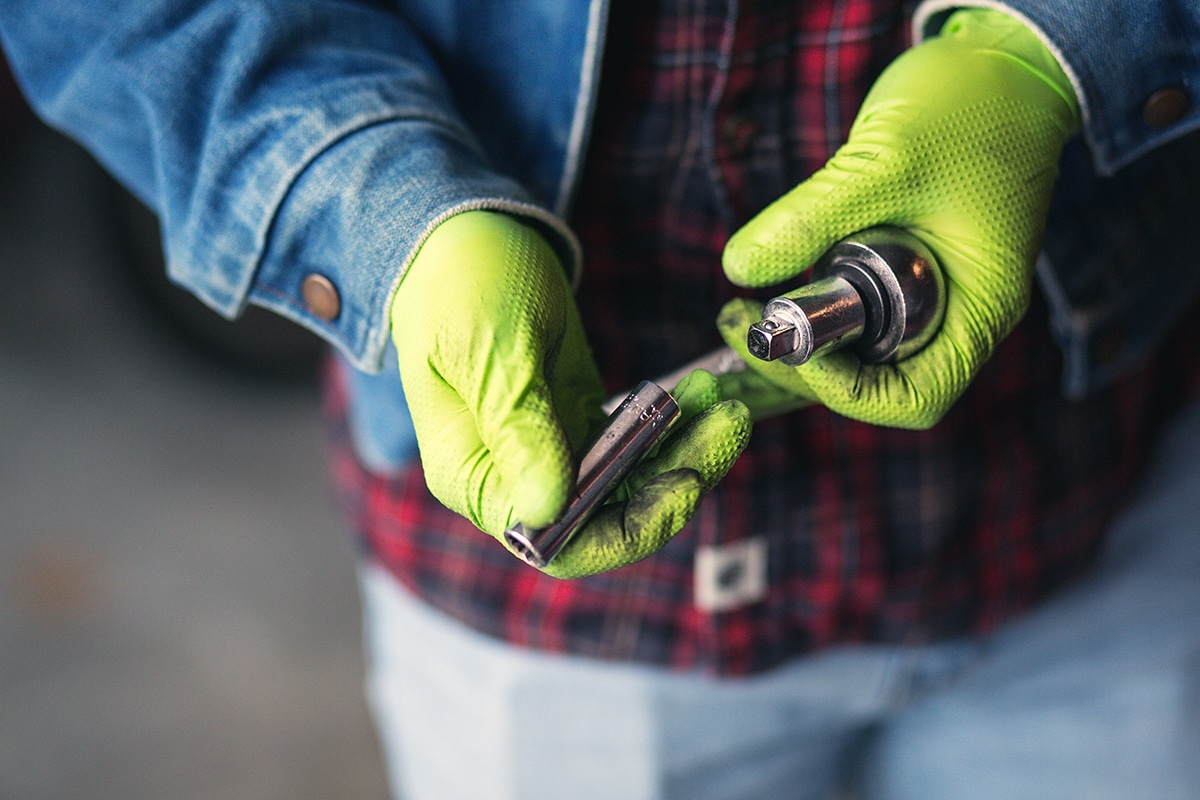
Do you work with heavy machinery all day? Are you concerned about hand protection? (Hint: You should be.) Industrial needs for disposable gloves are multifaceted and often of great urgency.
Whether you’re running massive folding machines in a commercial laundry, using tools in countless applications to keep the equipment in top shape—or performing countless other jobs—you need to know your hands are safe. You never know when a sharp edge, abrasive surface, chemicals, or another potentially harmful object or substance could inflict serious injuries.