Gloves are a necessity in many industries, but the cost adds up quickly for workers who go through a lot of gloves. Some industries, such as food service or manufacturing, require more frequent glove changes than others. For this reason, the industry trend toward thinner, lighter, low cost disposable gloves, are the best choice for short duration tasks that require frequent changes.
In 2012, the U.S. Occupational Safety and Health Administration (OSHA) updated its Hazard Communication Standard (HCS). The revision sought to make the HCS align more closely with international compliance and provide a more standardized approach to the formatting of OSHA’s material safety data sheets (MSDSs), which will transition to safety data sheets (SDSs). Additionally, the update implemented new labeling requirements. These changes will make the HCS closer to standards of the United Nations Globally Harmonized System of Classification and Labeling of Chemicals (GHS).
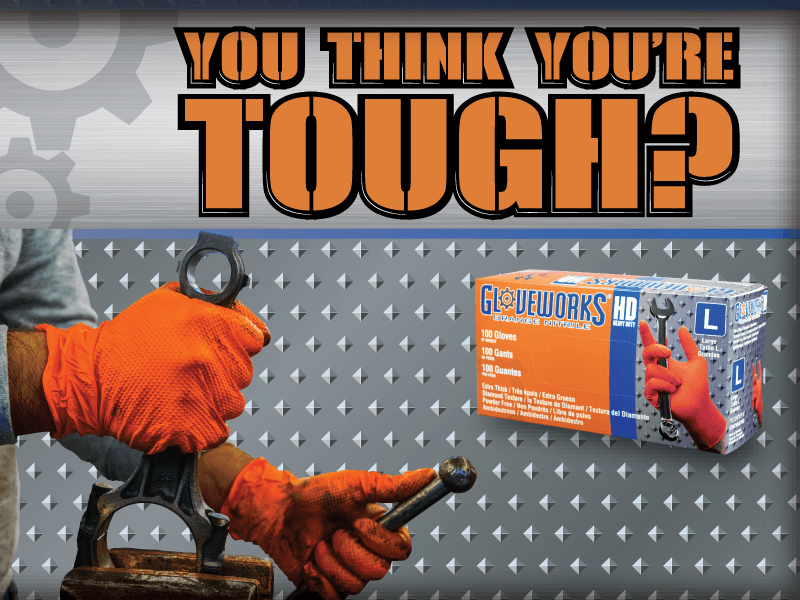
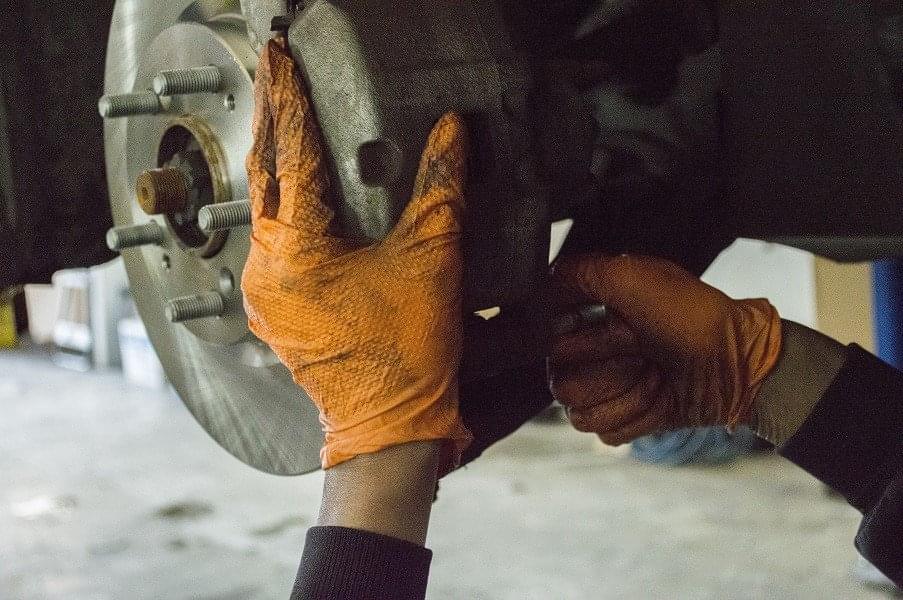
Unique color for high visibility One of the first things you will notice about our orange nitrile gloves is their bright color. We ramped up our nitrile gloves with a hue that will be seen even in dark environments, including garages and industrial environments. This color means no more lost gloves and is a fitting match for other brightly colored personal protective equipment.
Heavy, aggressive texture for strong grip and durability These ambidextrous gloves also have a diamond-raised texture on both sides for a non-slip grip. This texture is present on the palms and fingertips and particularly helpful for oily environments. As a result, automotive, manufacturing and industrial technicians who handle tools do not have to worry about their equipment sliding out of their hands while they work on vehicles and machines.
Not only does this texture provide superior grip, it also offers additional thickness for increased durability. In fact, our orange nitrile gloves are three times more puncture resistant than latex. In addition, the texture does not compromise comfort, as the gloves are more elastic than vinyl and conform to hands as they are warmed by body heat.
These gloves feature a beaded cuff to stop ripping and tearing at the base. This feature also makes the gloves easier to don.
Added thickness for superb chemical resistance If you think visibility, durability and grip are all impressive features of our orange nitrile gloves, wait until you hear about their chemical resistance. The extra thickness allows wearers to work with harsh chemicals such as iodine, butane and pesticides for a longer period of time before they have to change gloves, allowing for greater cost savings due to fewer glove changes.
Our Gloveworks Heavy Duty Orange Nitrile Gloves, which measure 9.5 inches from base to fingertip and are available in sizes medium to extra extra large, are perfect for a number of applications, including: agricultural, automotive, industrial safety, manufacturing, paint shops and plumbing. Additionally, they come 100 gloves to a box and 10 boxes to a case to provide the supply you need.
Orange Nitrile: Give Your Sales Team the Best! Contact your AMMEX representative to add these gloves to your product line. Or, if you would like to become a distributor, contact us today!
Did you know salespeople are not the only ones who talk to consumers about the benefits of buying disposable gloves? If not, you forget important product advocates: your displays.
With regard to disposable glove revenue, the janitorial-sanitation industry has one of the lowest figures, but that does not mean it is not a target market for distributors. In fact, the Jan-san industry has the second-highest revenue growth potential of all sectors, indicating the market is ripe for expansion.
You may be a superstar at selling disposable gloves but what should you do to boost your sales even further? If you know anything about heroes, whether caped crusaders or your local firefighters, you know they never have to work alone when fighting the good fight.
Everyone is “in sales.” Every day, you have to convince someone that you are worth their time. It doesn’t matter if you sell disposable gloves, if you are the doctor wearing the gloves or the patient receiving the care; everyone is “in sales.” This concept is not easy for most people to accept especially if you don’t really like selling. It takes plenty of practice to master the art of selling. However, there are five basic sales tactics that can begin to make a tremendous difference. Every conversation is a potential “sale” and here is how to master it. – 5 Surprising Sales Tactics Everyone Must Master
With the fast pace of today’s workforce, employers may need to provide additional training for their staff members to keep their skills fresh. Depending on the industry, such as medicine or technology fields, cutting-edge skills may change every few years. Beyond staying competitive, continued professional development may make employees more satisfied at work, and thus more likely to stay with the same organization.
Selling disposable gloves is an endeavor that focuses on prospective customers and putting the experience in their hands. Often, salespeople will spend most of their time demonstrating a product and explaining features without actually getting customers involved. Whereas, engagement and paying attention to customer needs are keys to growing business.