Gloves are a necessity in cafeterias around the country to ensure food safety. When people think of food production environments, cafeterias don’t often come to mind, but there are many of these establishments around the country. According to the most recent data from the Bureau of Labor Statistics, there are more than 400,000 people employed in cafeterias across the U.S., in schools, hospitals, continuing care facilities and even office buildings. Schools are the most prominent of these environments, with more than 120,000 individuals in school cafeterias.
Growth for Global Disposable Glove Industry
A recent report by Allied Market Research has projected the global disposable glove industry is on track for large-scale growth through 2020. Let’s take a look at the forecasted future for wholesale disposable gloves.
Continue reading “Growth for Global Disposable Glove Industry”
Handy Equipment for Fireworks Manufacturing
Independence Day is just around the corner, which means Americans around the country will be preparing to watch fireworks displays to celebrate. While many enjoy this holiday tradition, some people may not know most fireworks are still manufactured by hand to reduce the risk of factory explosions. This is because automated machinery has the potential to create sparks that would ignite the explosives.
Continue reading “Handy Equipment for Fireworks Manufacturing”
How Latex Gloves are Made
Natural rubber latex is the oldest and most familiar material used in disposable gloves. In recent years it has increasingly been supplanted by nitrile and to a lesser extent vinyl gloves, but it remains popular in many uses, especially medical applications.
How to Differentiate a Commodity
There are specific challenges associated with selling commodities. The term commodity generally applies to agricultural products like soybeans or corn – products in which each unit is the same no matter where you buy them. However, consumers see any product as a commodity if they could buy it anywhere – for instance, a specific brand of gum. It is notoriously challenging to sell commodities because customers assume they are interchangeable and will buy them wherever they are able to obtain the best deal.
Know Your Glove Materials: Part I Nitrile
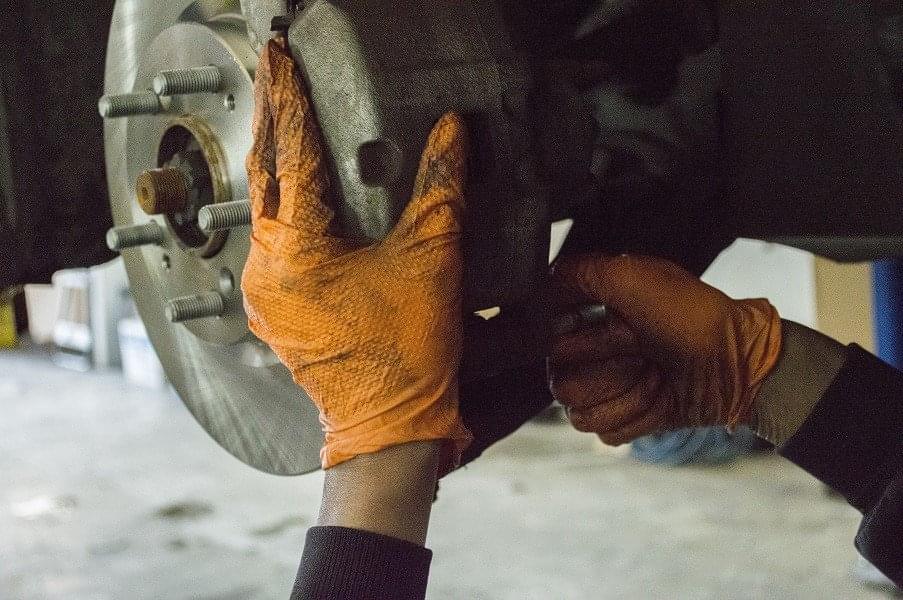
Nitrile disposable gloves are a popular alternative to latex gloves in many industries. In fact, wholesale nitrile gloves are a key driver of growth in the industrial disposable glove market, particularly in applications that require contact with harsh chemicals and solvents, such as the automotive industry. One of the more immediate benefits of these gloves is they are latex free, which is a benefit for both users and consumers who come into contact with the gloves. In a tattoo shop, for example, an artist may not have a latex allergy. However, some customers might, and nitrile gloves protect these customers from having an allergic reaction.Know Your Glove Materials: Part I Nitrile –
Continue reading “Know Your Glove Materials: Part I Nitrile”
Latex Allergies: Importance of Latex-Free Gloves
As a growing number products are made from latex, latex allergies have become more prevalent, according to the Medscape. Consequently, many industries where latex products like disposable gloves are common, such as the health care industry, have made it their mission to create latex-free environments.
Continue reading “Latex Allergies: Importance of Latex-Free Gloves”
Not Without Gloves: Pesticides
Pesticides should always be handled with the proper barrier protection. Different formulations target various organisms, such as insects, rodents, algae, weeds and fungi. The U.S. Environmental Protection Agency regulates the use of all pesticides and requires chemicals that have been registered for many years to be reassessed to ensure they meet current standards.
Not without Gloves: Specialty Chemicals
Specialty chemicals are produced to serve a specific function and may be composed of a single chemical or a blend. Specialty chemicals often have an influence on the end product in the manufacturing process and are commonly used in the oil industry, agriculture, electronics, construction and consumer goods, such as detergents, perfumes and paper items. Because these blends vary depending on the application, specialty chemicals should always be handled with care, which means utilizing gloves and other personal protective equipment (PPE).
Not without Gloves: Wood stains
Wood stains come in a variety of compositions and consistencies. Some are semi-transparent, and others are intended to create a thick coating over the wood. Because of the variety of products on the market, specific stains may have multiple hazardous chemicals in them. Here are some chemicals commonly found in wood stains and effective disposable gloves for each: