


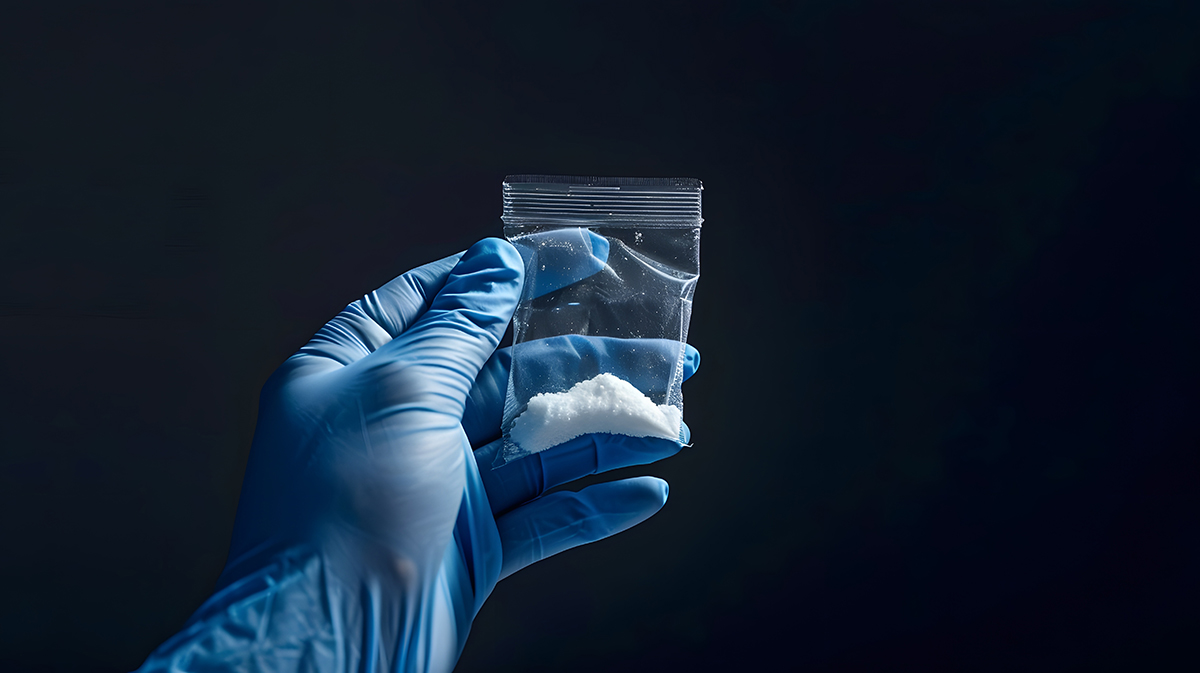
The dangers of fentanyl have been widely reported. The drug, developed in 1959 as an intravenous analgesic and anesthetic, is one of the most abused synthetic opioids in North America and a primary driver of overdose deaths among young people.
We often get asked about the impact of disposable gloves in protecting from fentanyl exposure. Do gloves make a meaningful difference? What role should gloves play in protecting those who are at greatest risk?
Workers in multiple industries may encounter fentanyl in one form or another. Public safety officers and first responders are the most at risk but with fentanyl’s ubiquity, workers from janitorial and sanitation to school officials to public transit to restaurant and retail employees would benefit from the peace of mind of knowing they are using a fentanyl-rated glove.
Work in a mailroom? You’d better have gloves, as the drug is often sent through the mail. Work in sanitation? You’ll want proper hand protection when dealing with discarded paraphernalia.
Mass media reports of fentanyl toxicity by first responders through passive contact in their job duties, however, are more myth than fact. Simply being in a room where fentanyl is present is unlikely to result in toxicity or overdose.

That said, disposable gloves—those made from nitrile, anyway—can make a difference when a person encounters any substance that contains fentanyl, from powder to bodily fluids. Nitrile disposable gloves help the most when you’re uncertain about the origin of the substance you are about to touch.
Government agencies have specific guidelines when it comes to nitrile gloves and fentanyl. There are many options on the market, but for added protection, make sure that the gloves you choose have been explicitly tested for fentanyl permeation.
The AMMEX Professional series of nitrile gloves—in black (ABNPF), blue (ACNPF), indigo (AINPF), and blue (APFN), as well as Gloveworks black (GWBEN)—are all tested to the ASTM D6978 standard.
Safety is a multifaceted effort
Wearing gloves does not guarantee protection. Greater threats are from inhalation, ingestion, or contact with mucous membranes such as touching one’s face or eyes. Fentanyl-rated gloves provide added assurance.
(Handy tip concerning fentanyl: Simple washing with soap and water is enough to remove residue from contaminated skin. Don’t use hand sanitizers or other alcohol-based cleaning agents, though, as they can increase absorption.)
The size of the fentanyl epidemic ensures there are no easy fixes. What can help, however, is protecting one pair of hands at a time. Need to learn more? Drop us an email or give us a shout at 800-274-7354.