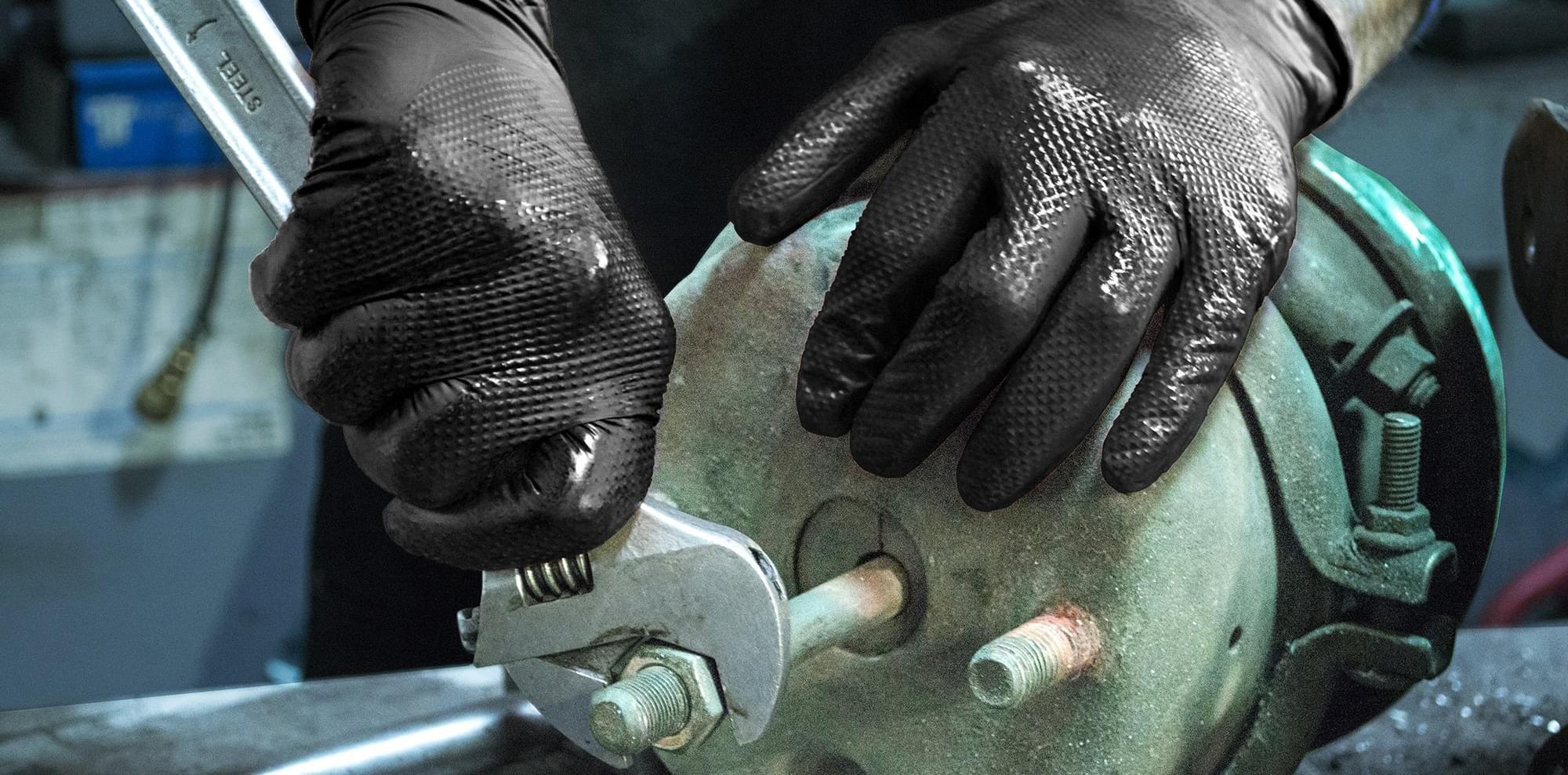
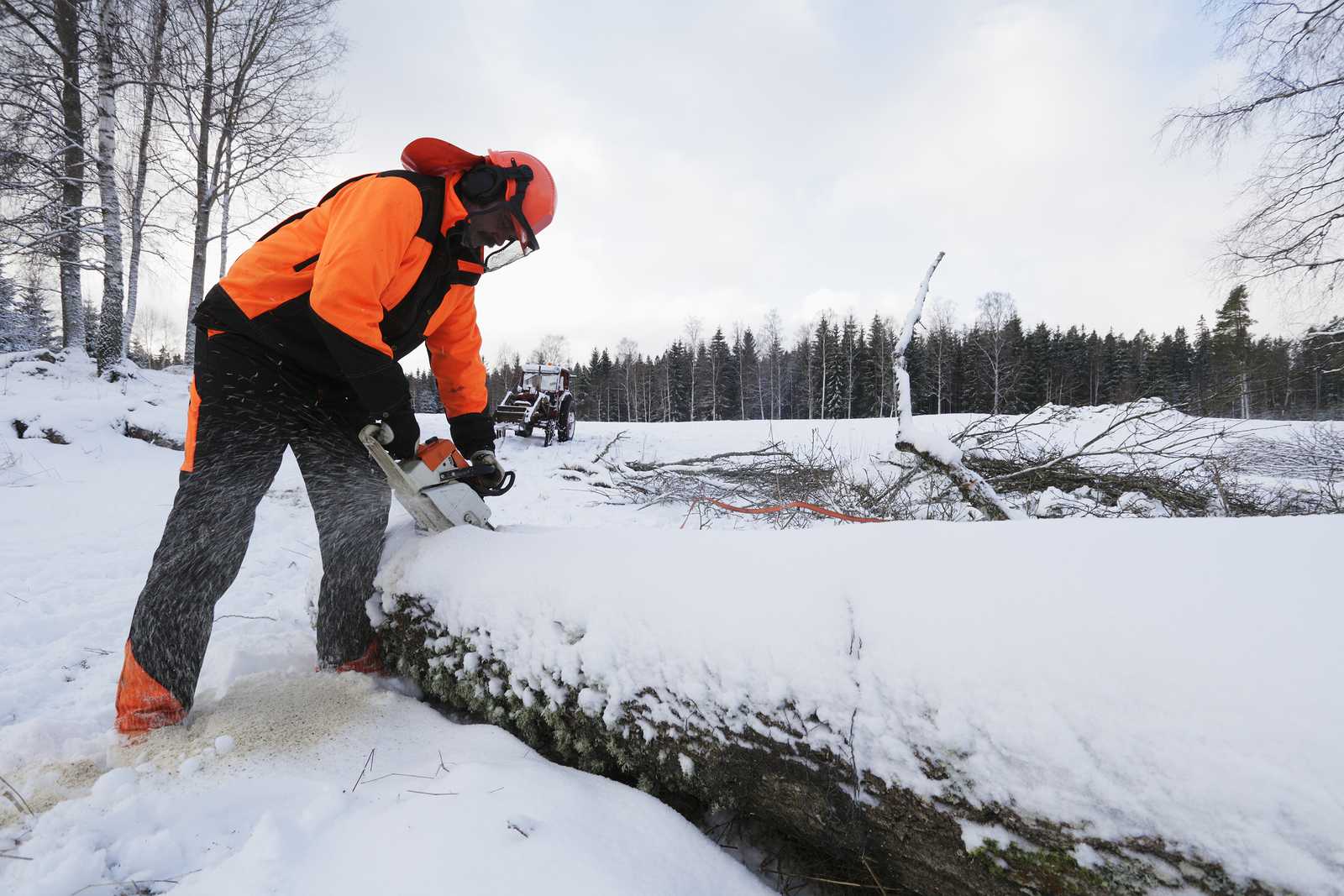
Workplace safety affects all industries from the food service industry to protection against biological agents in the medical industry. Accidents and injuries in the workplace can be reduced greatly by having the proper personal protective equipment (PPE).
Six Common Chemicals that Require Disposable Gloves
When it comes to using disposable gloves, opportunities are everywhere. In fact, we have received so many great contest entries for our Annual AMMEX #NotWithoutGloves Twitter Contest, reminding us of the countless opportunities of what not to touch – not without gloves. There are many opportunities for disposable glove distributors too. Consider the products that you or your customers sell; many may contain multiple chemicals. Did you know that there are six common chemicals that require disposable gloves? In fact, there are many common chemicals that require disposable gloves according to OSHA and as stated by many manufacturers instructions on product packaging. Along with warmer weather, Spring also brings many overdue home projects that involve the use of common chemicals. These chemicals can be found in products such as pesticides, wood stains, and paints and lacquers. Before your next project, read the product instructions and protect yourself from these six common chemicals that require disposable gloves.
Continue reading “Six Common Chemicals that Require Disposable Gloves”
Avian Flu: Barrier Protection in Food Processing
Recent cases of avian flu strain H5N8 found in chicken flocks in Oregon, California and Washington have emphasized why disposable gloves are a necessity in the food processing industry.
Continue reading “Avian Flu: Barrier Protection in Food Processing”
Help Prevent Norovirus Outbreaks in the Food Service Industry
The Norovirus is commonly associated with wide-spread illness that occurs on cruise ships, but those account for only about 1% of all reported norovirus outbreaks. Recent news of Norovirus affecting a popular restaurant chain confirms that it can occur anywhere people gather or food is served. Infected people can spread norovirus to others through close contact or by contaminating food and surfaces. Food service workers who have the norovirus can contaminate food and make many people sick. However, there are ways to help prevent norovirus outbreaks in the food service industry such as following food service safety practices like proper barrier protection and hygiene policies.
Continue reading “Help Prevent Norovirus Outbreaks in the Food Service Industry”
Making the Grade: Posting Food Safety Scores
Consumers have become more concerned about what is in their food and how those products move from farm to table, and government regulators and restaurants around the world have stepped up to keep the public more informed about food safety. This trend is evident through posted food safety scores, which are becoming more visible to consumers.
Continue reading “Making the Grade: Posting Food Safety Scores”
Barrier Protection Needs in the Beauty Industry
Whether customers seek no-chip manicures or a relaxing foot massage, nail and beauty technicians need barrier protection to guard themselves against harsh chemicals and pathogens. This presents a large sales opportunity for distributors of disposable gloves and masks.
Continue reading “Barrier Protection Needs in the Beauty Industry”
Essential Safety Tips for Working in Cold Conditions
Despite some unseasonably warm weather, winter starts today. Don’t be fooled, this year’s El Niño among the strongest on record, is expected to really pack a winter punch across the country. Forecasters at NOAA’s Climate Prediction Center issued the U.S. Winter Outlook favoring cooler and wetter weather in Southern Tier states with above-average temperatures most likely in the West and across the Northern Tier. “A strong El Niño is in place and should exert a strong influence over our weather this winter,” said Mike Halpert, deputy director, NOAA’s Climate Prediction Center.
Continue reading “Essential Safety Tips for Working in Cold Conditions”
Not Without Gloves: Harmful Chemicals in Beauty Salons
Hairstylists and salon professionals have a unique need for superior barrier protection. There is a variety of extremely hazardous chemicals that these professionals come into contact with every day. In some cases, nail technicians or stylists may not be using the right disposable gloves for the job – or even using gloves at all! The chemicals used in salons may not pose a significant risk if you come into brief contact with them every couple of months… but for those who interact with them day after day, there are serious health consequences. Here is a list of the most common and dangerous chemicals used in salons:
Continue reading “Not Without Gloves: Harmful Chemicals in Beauty Salons”
Why Safety Matters for All Industries
June is National Safety Month and workplace safety is no accident. In fact, occupational accidents and injuries affect every industry and can majorly impact an employer’s bottom line. Businesses spend $170 billion a year on costs associated with occupational injuries and Illness. However, workplace accidents can be substantially reduced with a solid safety program incorporating personal protective equipment (PPE). This June, we encourage you to learn more about why safety matters for all industries. Each week during National Safety Month, AMMEX will share valuable industry-specific topics, tips, and trends that you can reshare or send directly so you are a Safety Expert for your clients #SafetyMatters.
Best Practices for Donning a Glove
When individuals put on a glove, they may not give any thought to how they go about this process, but there are specific steps wearers must take to ensure their gloves fit properly.