5 Key Reasons to Use Lightweight Nitrile Gloves Instead of Vinyl

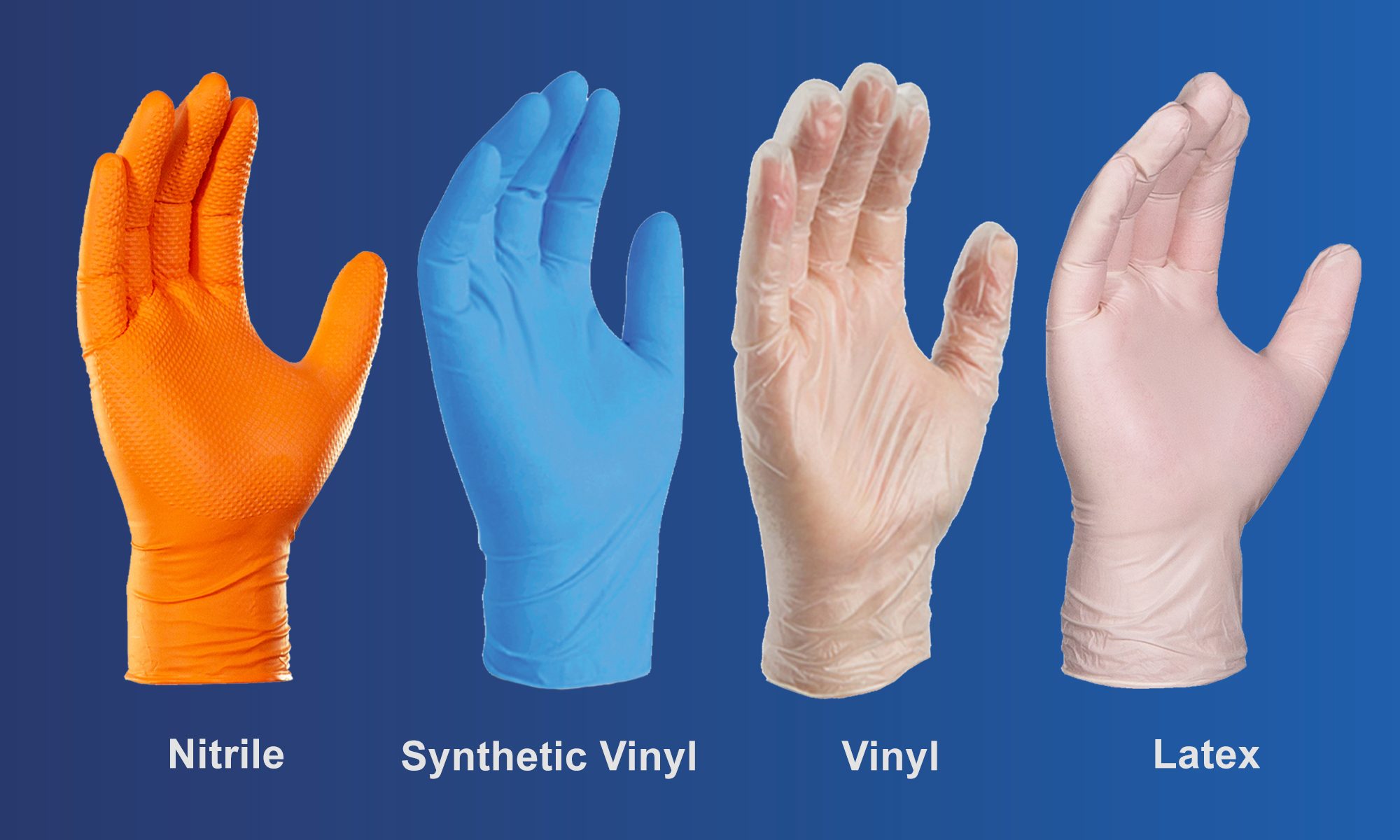
Glove comparison chart.

Most vinyl gloves are made in China, and tariffs have made those much more expensive.  Now may be a time to shift from vinyl disposable gloves to lightweight nitrile.  Nitrile offers several advantages: performance, safety, environmental impact, and user comfort.

Here’s an outline of the five key benefits:

1. Enhanced Protection and Performance

Nitrile gloves are more resistant to a wider range of chemicals, oils, and solvents than vinyl gloves. They are also more puncture-resistant than vinyl gloves, improving durability and protection.

2. Improved Comfort and Fit

Nitrile conforms more closely to the hand, providing a snug, comfortable fit and greater dexterity compared to gloves of similar thickness. The ergonomic fit of lightweight nitrile gloves helps minimize strain during extended use. Like vinyl, nitrile is latex-free but without the associated loss of stretch and comfort seen in vinyl.

3. Sustainability

Lightweight nitrile gloves are more durable and longer-lasting than vinyl gloves, which may require frequent changes and more gloves to complete the same task. Nitrile also has better aging properties than vinyl, reducing product waste from expired stock.

4. Regulatory and Industry Compliance

Nitrile gloves meet more stringent standards (e.g., ASTM, EN) for medical and industrial use and have fewer issues with chemical ingredients that are more common with vinyl.

5. Cost Efficiency Over Time

Nitrile gloves are more durable and reduce the need for frequent replacements, improving cost-effectiveness and sustainability. Nitrile gloves are suitable for a broader range of tasks, reducing the need for multiple glove types in one facility.

In sum, lightweight nitrile gloves offer a superior choice for hand protection. AMMEX provides a broad range of options in lightweight nitrile, such as X3 Industrial Blue or Black Nitrile Gloves and AMMEX Professional Exam Blue Nitrile gloves.

Check out our previous post about the benefits of lightweight nitrile here.

Finishing Disposable Gloves: How to Make Them Easy On, Easy Off

Hands pull on disposable gloves.

After gloves go through the production process—formers dipped in solution, dried in high heat, rinsed in a chlorinated solution (in the case of latex), dried again—their interior needs to be finished.

This process makes it easier to pull on and remove gloves. Without interior finishing, gloves can stick to skin and cause a struggle to get them on or off.

Continue reading

Disposable Gloves Are Not Designed for Cooking at High Heat

Gloveworks Industrial Vinyl Gloves are great for preparing food, but don't cook with them.

Disposable gloves are an invaluable tool in kitchens around the globe. From making burger patties to mixing salads to plating and serving food, they protect against cross-contamination as well as keeping hands safe from chemicals and cleaning solutions.

We often get questions about the suitability of using disposable gloves over an open flame like a grill. Distributor partners say their customers inquire about using disposables when cooking, and which material is best in those situations.

Continue reading

September Is Food Safety Month: Why Use Disposable Gloves?

GPX3 vinyl gloves from AMMEX

Every September, the National Restaurant Association celebrates National Food Safety Month as a way to increase awareness and educate employees about proper food handling.

It’s an ideal time for glove distributors to highlight the importance of disposable glove use in food service and processing. In 2021, with the Delta variant of the coronavirus widely spreading, it is even more crucial to ensure that restaurant workers are properly gloved up.

Continue reading

Nitrile Exam Gloves Tested to Deliver a Higher Level of Protection

Healthcare professionals are particular about their equipment—and thankfully so. Any patient wants a high degree of diligence paid to the quality of products used to ensure their well-being.

That same level of attention is important when it comes to disposable gloves. They protect the caregiver as well as the recipient of that care from bloodborne pathogens and environmental contaminants.

Continue reading

Gloveworks Black Nitrile Has You Covered From Garage to Farm

Gloveworks Black Nitrile Disposable Gloves

Of all the gloves AMMEX offers, Gloveworks Black Nitrile Industrial Gloves (product code: GPNB) are at the top of the list for versatility and dependability.

These durable, 5-mil disposables are in a sweet spot of thickness and dexterity. They offer an excellent barrier against chemicals and cleaning solutions, especially those made from petroleum. The gloves protect against bacteria and environmental contaminants. They feature three times the puncture resistance of latex gloves with fit, feel, and comfort to rival natural rubber (and without aggravating latex allergies).

Continue reading

Nitrile, Vinyl, Latex, or Hybrid: Which Glove Is Right for Your Customer?

Nitrile, synthetic hybrid, vinyl, or latex: Which glove is right for your customer?

In last week’s blog post, we wrote about disposable glove thickness, which can be a source of confusion for end users (and sometimes even distributors). This week we examine how to choose the right glove material for the job.

When the coronavirus went global in early 2020, the disposable glove market was turned upside down. Inventory of nitrile gloves—far and away the most popular—soon dropped as pricing rose substantially. Now, a year later, nitrile inventory is coming back, prices are coming down, and the amount of available gloves is working its way back to pre-pandemic levels.

Continue reading

Disposable Glove Thickness: What You Need to Know

When it comes to evaluating disposable gloves, thickness isn’t everything. The material they are made of, and whether they are industrial or exam grade, are also key factors in determining their appropriate applications.

But the question of how thick any particular glove is will always be an endless source of conversation—and often consternation—among those who buy disposable gloves, or sell them for a living.

Continue reading