Food processing facilities follow the Hazard Analysis and Critical Control Points (HACCP) rules, but these food safety guidelines are the bare minimum facilities undertake to prevent contamination. In addition to HACCP, these facilities follow rules regarding high- and low-care (or high- and low-risk) areas.
Help Prevent Norovirus Outbreaks in the Food Service Industry
The Norovirus is commonly associated with wide-spread illness that occurs on cruise ships, but those account for only about 1% of all reported norovirus outbreaks. Recent news of Norovirus affecting a popular restaurant chain confirms that it can occur anywhere people gather or food is served. Infected people can spread norovirus to others through close contact or by contaminating food and surfaces. Food service workers who have the norovirus can contaminate food and make many people sick. However, there are ways to help prevent norovirus outbreaks in the food service industry such as following food service safety practices like proper barrier protection and hygiene policies.
Continue reading “Help Prevent Norovirus Outbreaks in the Food Service Industry”
Making the Grade: Posting Food Safety Scores
Consumers have become more concerned about what is in their food and how those products move from farm to table, and government regulators and restaurants around the world have stepped up to keep the public more informed about food safety. This trend is evident through posted food safety scores, which are becoming more visible to consumers.
Continue reading “Making the Grade: Posting Food Safety Scores”
3 Food Industry Terms to Know
Sept. 1 kicks off the National Restaurant Association’s National Food Safety Month (NFSM). The event, which recently passed its 20th anniversary, highlights the need for proper food handling throughout the food industry. Over the course of the month AMMEX will support NFSM and provide extra insight into safety throughout the food industry.
The Right Gloves for the Job: Part II Food Processing
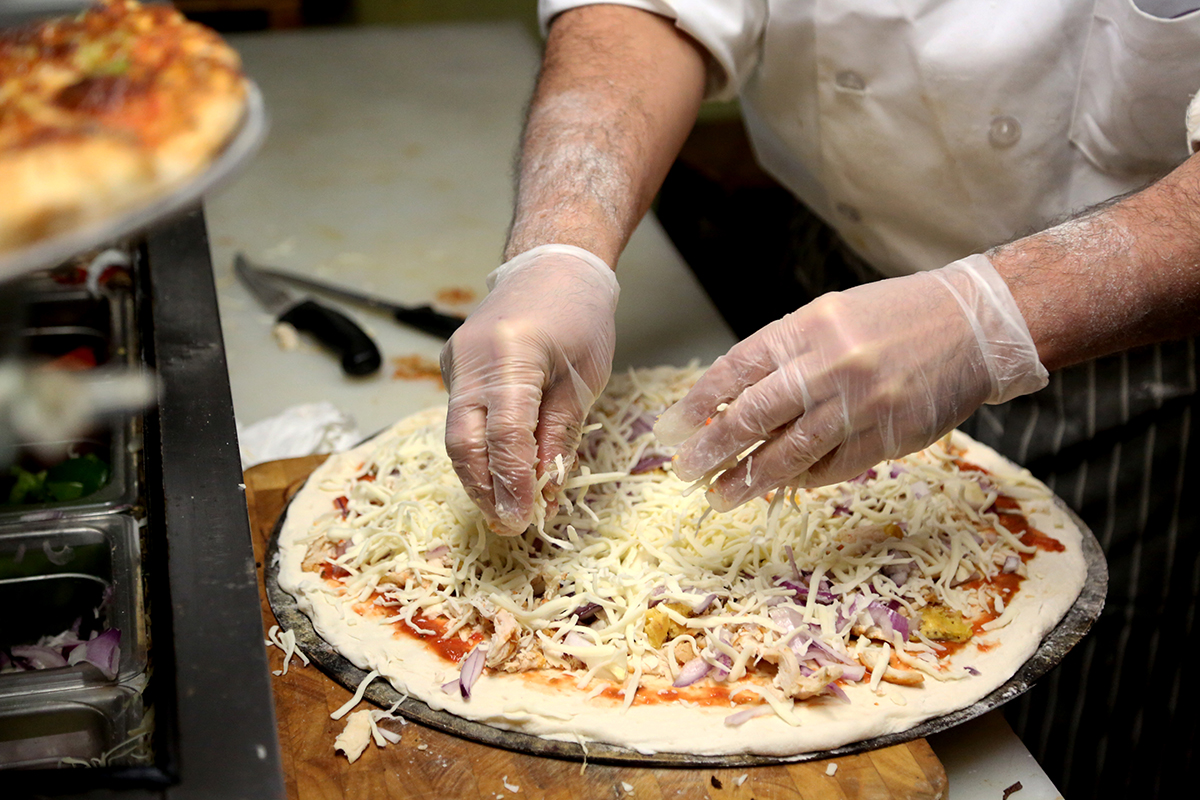
Workers in the food processing industry should be required to wear appropriate disposable food processing gloves to protect consumers who eat the foods they handle.
Continue reading “The Right Gloves for the Job: Part II Food Processing”
HACCP without the Hiccup
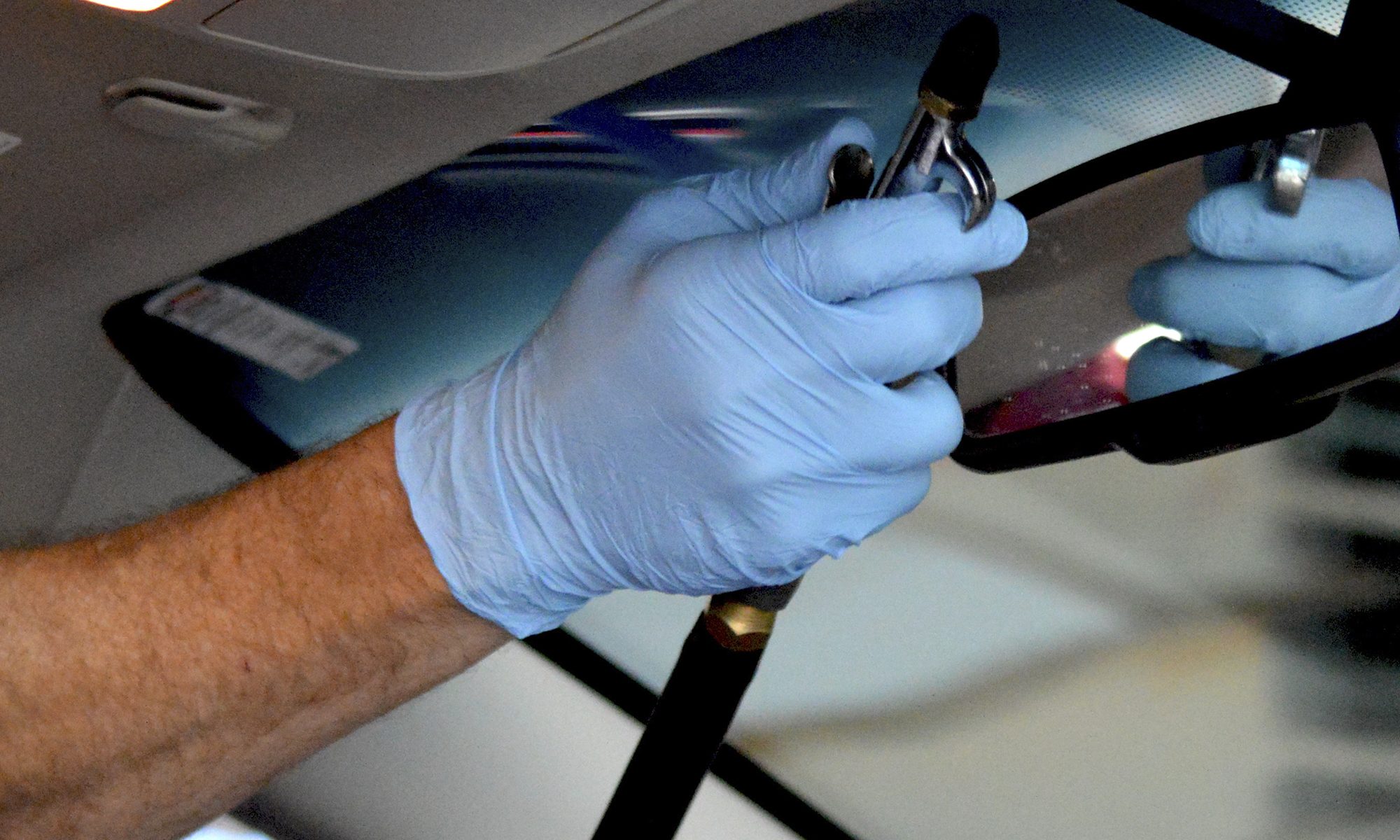
Disposable gloves come in a variety of colors, but this is not simply for wearer preferences. Some colors are more common in one industry than in another. Automotive technicians, for example, are fond of black nitrile gloves because the color seems suitable for their job, but the color has no bearing on the gloves’ usefulness.
Valentine’s Day: For the Love of Food Safety
Did you know economists predict Americans will spend $1.7 billion on candy this Valentine’s Day? That finding comes from the National Retail Federation and indicates a large need for disposable gloves in the food industry as the holiday of love approaches.
Continue reading “Valentine’s Day: For the Love of Food Safety”
September is National Food Safety Month
Each September, the National Restaurant Association celebrates National Food Safety Month as a way to increase awareness and education about proper food handling. The event was established in 1994 and recently passed its 20-year anniversary. This educational event raises visibility about food safety, and it’s also a great opportunity to sell more gloves. Restaurants and other food service venues all have a large number of staff who need disposable gloves for safe food handling. Thus, the food industry represents a great opportunity for glove sales. In 2012, glove revenue from this industry reached $3.3 billion and will grow 29 percent to $4.3 billion in glove revenue opportunity by 2022. Throughout September, AMMEX will support NFSM and help to educate buyers regarding the uses of gloves.
Gloves in Cafeterias
Gloves are a necessity in cafeterias around the country to ensure food safety. When people think of food production environments, cafeterias don’t often come to mind, but there are many of these establishments around the country. According to the most recent data from the Bureau of Labor Statistics, there are more than 400,000 people employed in cafeterias across the U.S., in schools, hospitals, continuing care facilities and even office buildings. Schools are the most prominent of these environments, with more than 120,000 individuals in school cafeterias.
Glove Potential in Restaurants
The restaurant industry represents one of the greatest opportunities for glove sales. According to data from the National Restaurant Association, there are roughly 1 million restaurant locations in the U.S. and 14 million restaurant employees. On top of that, workers in food service use gloves more than employees in just about any other industry. With each individual worker using an average of 20 pairs of gloves every single day, the restaurant industry collectively goes through more than 200 million pairs of gloves on a daily basis.