As 2024 winds down, it’s becoming increasingly challenging to establish consistent and predictable supply—especially at volume—while keeping costs in check. Along with reliable supply, the benchmarks of quality, compliance, and sustainability continue to become more important in the disposable glove market.
The dangers of fentanyl have been widely reported. The drug, developed in 1959 as an intravenous analgesic and anesthetic, is one of the most abused synthetic opioids in North America and a primary driver of overdose deaths among young people.
The disposable glove market faces several unique cost drivers that impact the industry. Prices are expected to rise due to factors including increased factory utilization rates, higher prices for raw materials, and a weakening U.S. dollar.
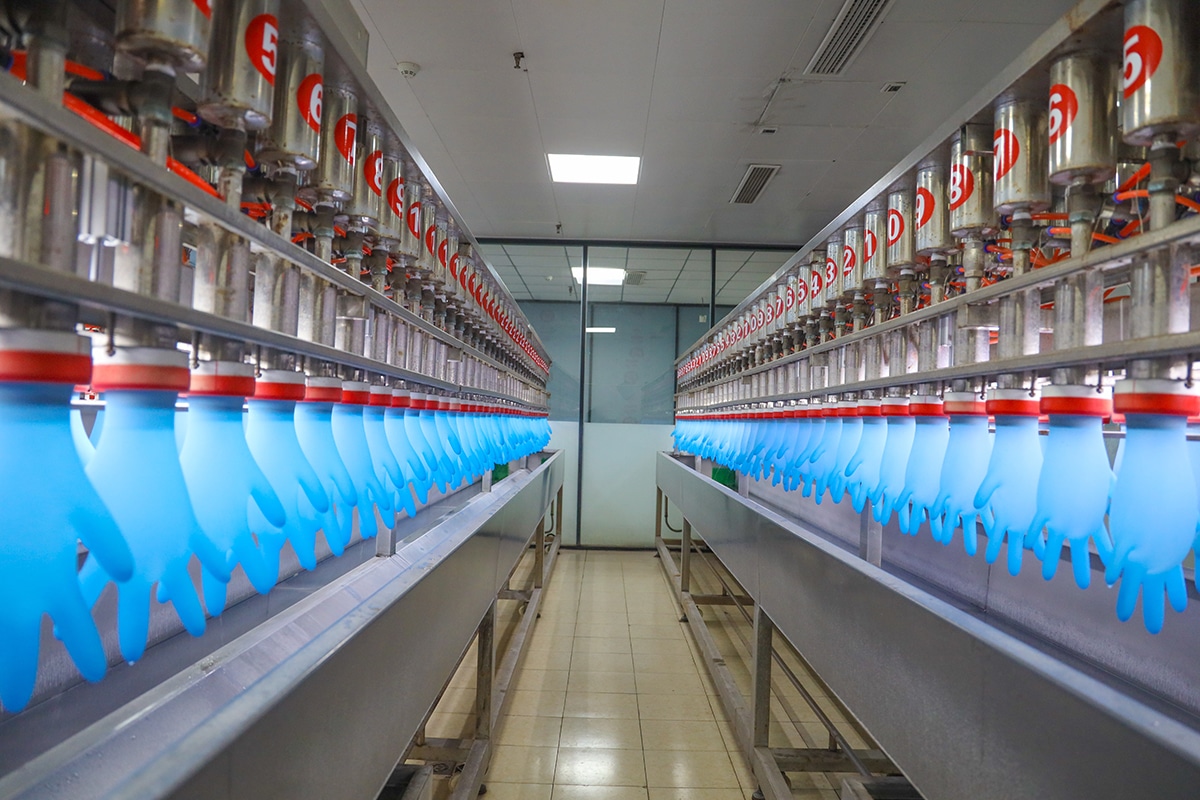
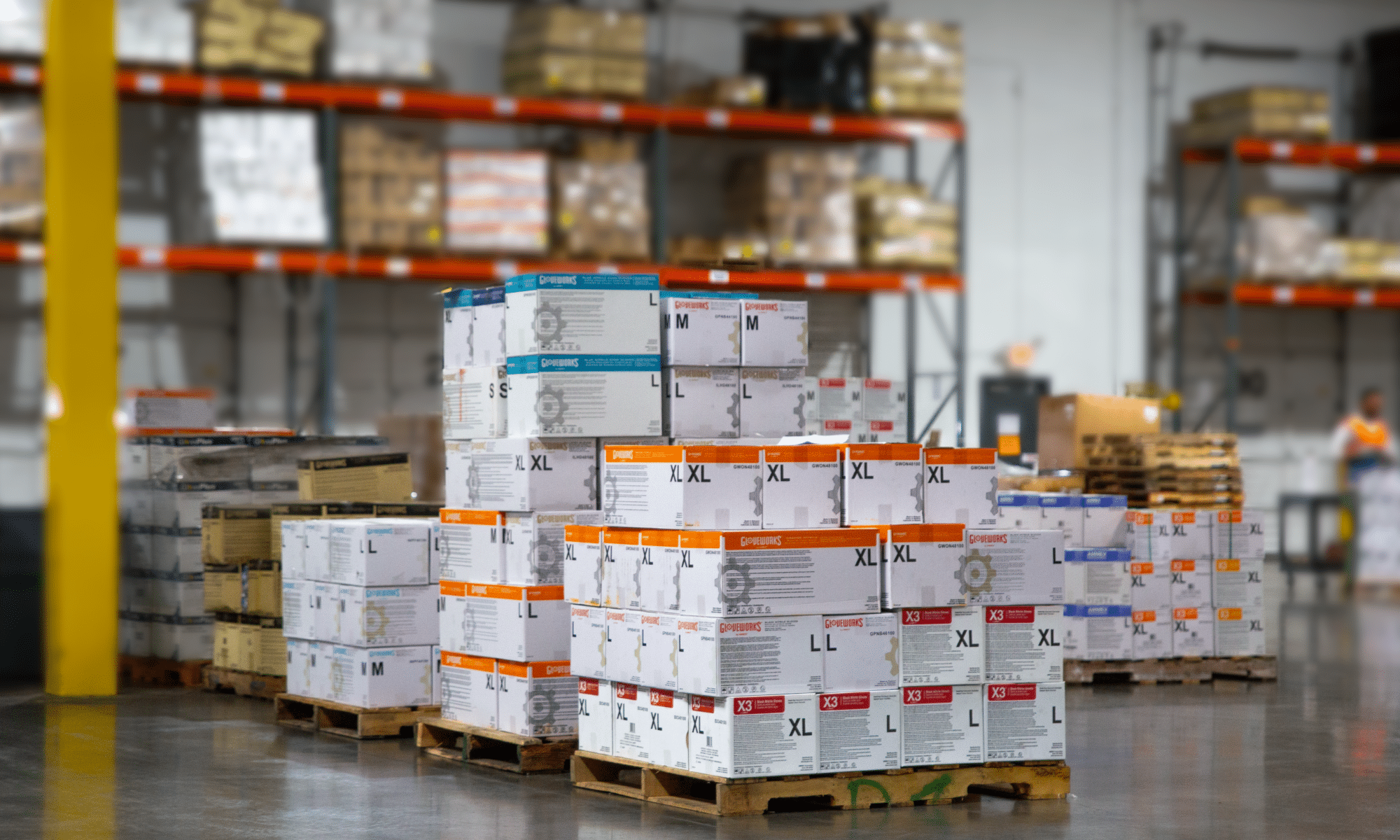
The disposable glove market continues to have several unique cost drivers impacting the industry. Factories have reduced the number of production lines from pandemic highs, increasing utilization rates and reducing excess supply. Raw materials, from chemicals to synthetic rubber, are rising in cost. Other drivers, such as labor supply in Southeast Asia, packaging material increases, logistics, and a weakening U.S. dollar, are also playing a role.
The U.S. government is increasing tariffs on a variety of Chinese products worth tens of billions of dollars. They have been billed as part of ongoing efforts to protect American factories and include an increase of tariffs on exam/medical-grade nitrile gloves from the current 7.5% to 50% on January 1, 2025 with a further increase to 100% on January 1, 2026.
Anybody who uses hand protection is well aware of the potential dangers on the job—or they likely wouldn’t be wearing gloves at all. Thousands of injuries occur nationwide every year. Maybe at your facility it’s one or two. For the folks that happened to, of course, that’s one or two too many.
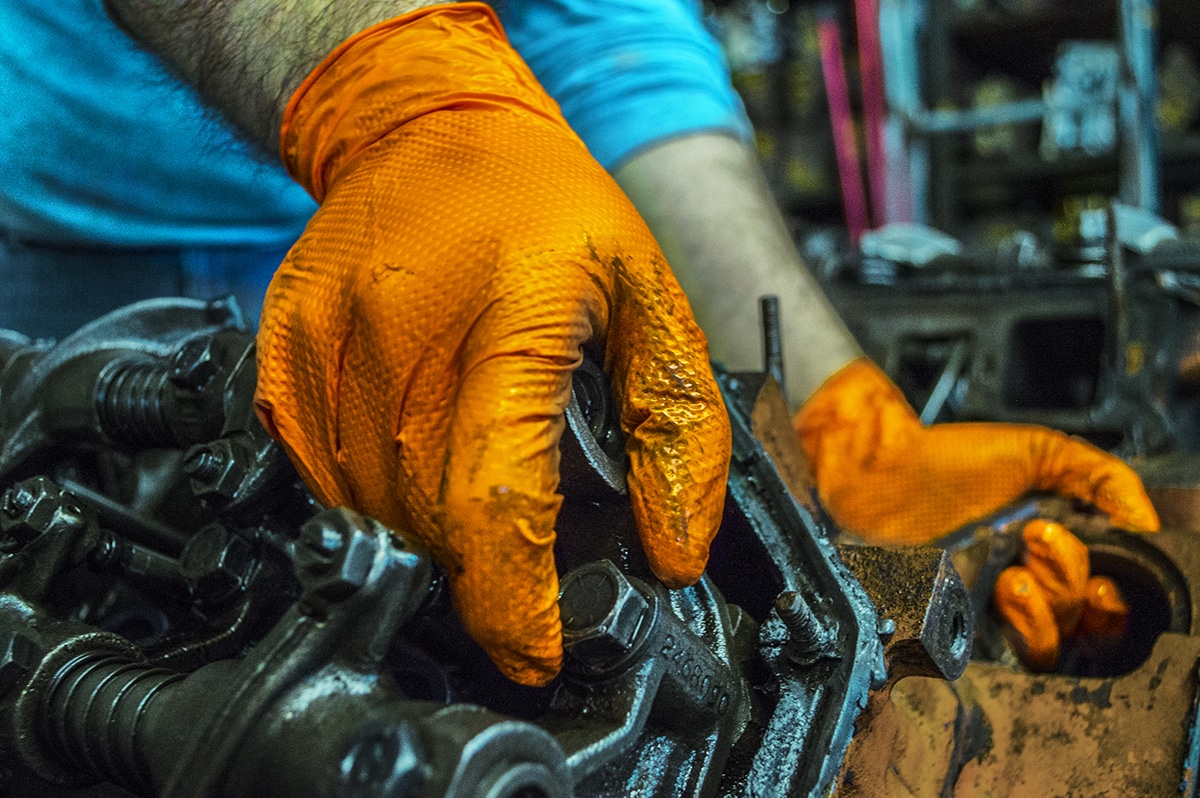
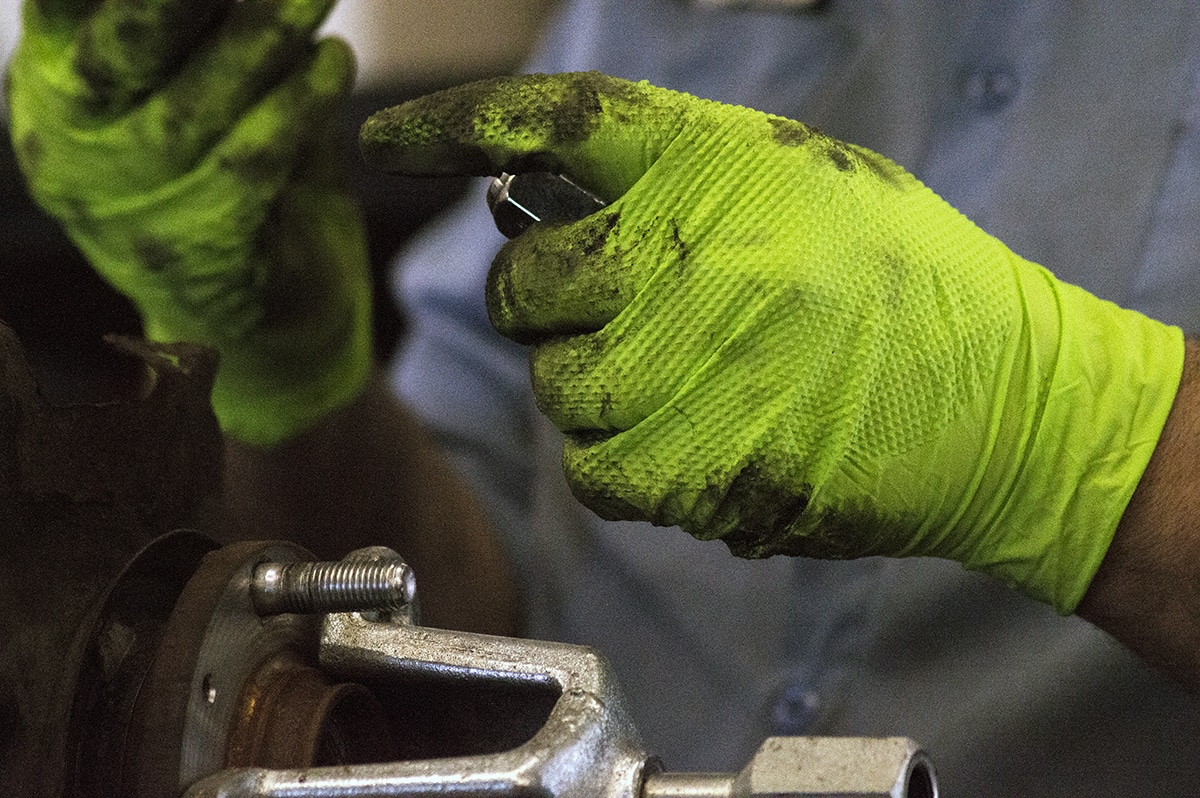
Billions of disposable gloves are sold every year as companies do whatever they can to protect their workers. Are most of them sufficient? Probably. Are a substantial portion of them Gloveworks Nitrile with Raised Diamond Texture? Frustratingly, no—RDT, as we affectionately call it, in fact makes up less than 1% of the overall glove market.
Sustainability is getting plenty of attention these days, and rightfully so. It’s not some marketing-driven buzzword foisted upon the public in the last few years; its roots go back to ancient times. Environmental problems like deforestation, soil loss, and salinization were topics of discussion for Egyptians, Mesopotamians, Greeks, and Romans.
We love the fact that our customers are not easily satisfied.
That has been one of AMMEX’s central tenets over our 35-plus years in business. It prevents taking anybody for granted and motivates us to do whatever it takes to keep customers happy.
In the food service industry, preventing cross-contamination of all kinds is Job One. When you’re preparing food for customers with allergies, it’s even more important.
Disposable gloves are critical, as they provide a barrier that helps ensure allergen-sensitive food preparation is uncontaminated. Allergens are always top of mind at AMMEX—and we have the right gloves for the job.