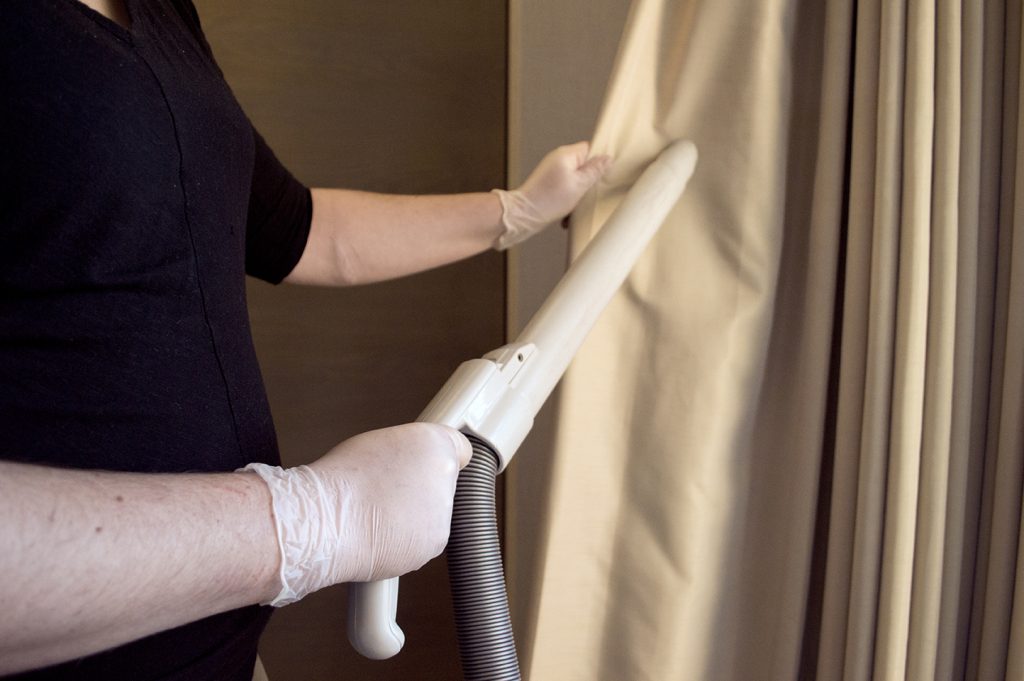
Janitorial and sanitation workers are essential to protecting us from COVID-19. Protecting them is just as important. Workers in the janitorial and sanitation industry have always played a key role in protecting our quality of life. But with the current global pandemic showing no signs of dissipating, their contribution takes on a new level of importance. Sanitizing our environments matters more than ever. Protecting the workers who protect us is equally crucial. In this day and age, with all we know about the ability of germs and bacteria to spread, it is inexcusable to allow janitorial and sanitation staff to work without disposable gloves. Also posing a threat to their health are the very chemicals they use to clean. Glass, metal, and other cleaning formulas can contain harmful chemicals including hydrofluoric acid, nitrilotriacetate, and phosphoric acid. Dangers are everywhereThen there are bloodborne pathogens and bodily fluids. Anyone who cleans commercial restrooms knows how much dangerous refuse they accumulate. Transmission can occur if janitorial staff come into contact with soiled surfaces, sanitary napkins, hand towels, or tissues. Considering these risks, janitorial employees need proper barrier protection. And by providing that, distributors can find myriad opportunities for growth in the janitorial and sanitation categories. The U.S. market for personal protective equipment (PPE), which broadly covers safety products, was estimated at more than $12 billion in 2015. Emphasis on employee health and safety drives market growth. Then, of course, there is COVID-19, which has likely changed the PPE market forever. Frequent glove changes are at the center of any cleaning routine. Most janitorial gloves are lightweight, easily changed, and come at a lower price point because of the sheer number used. Some of the glove materials typically used in the janitorial industry are: |
Posted on by Tom Travin
Vinyl Gloves: A Perfect Fit for All Your Janitorial And Sanitation Needs