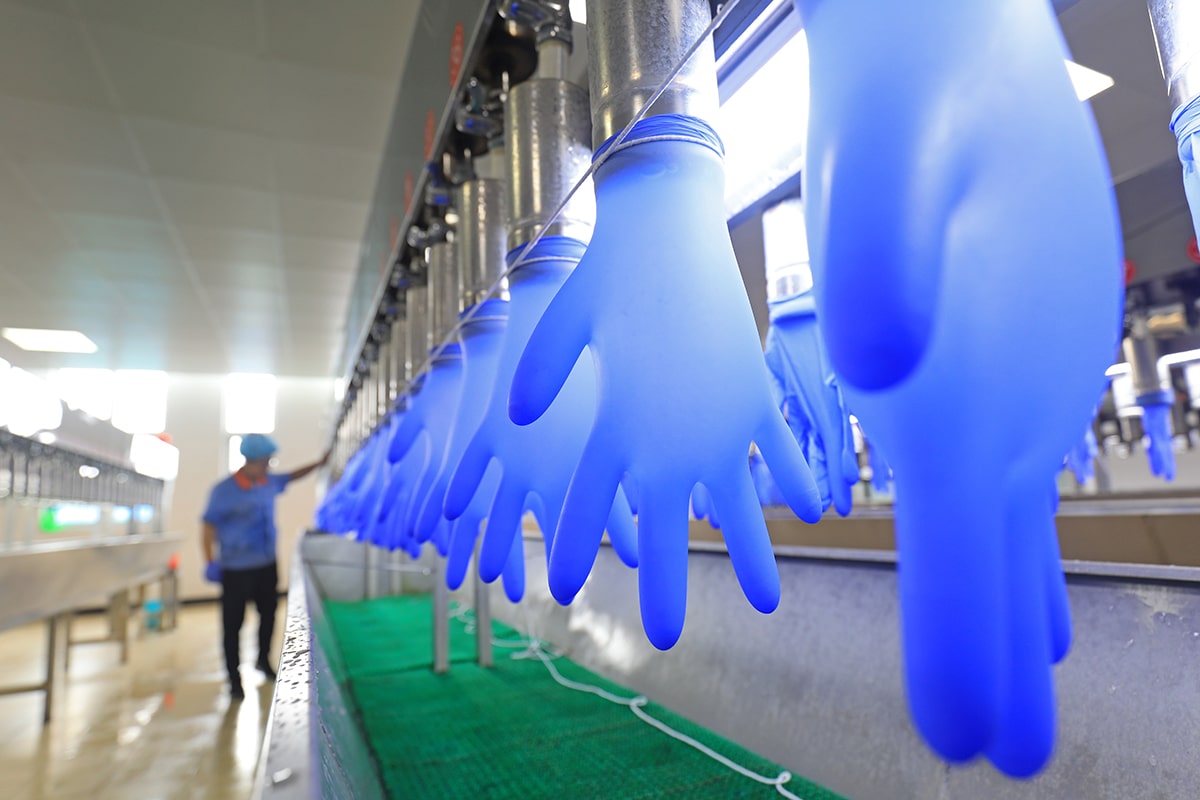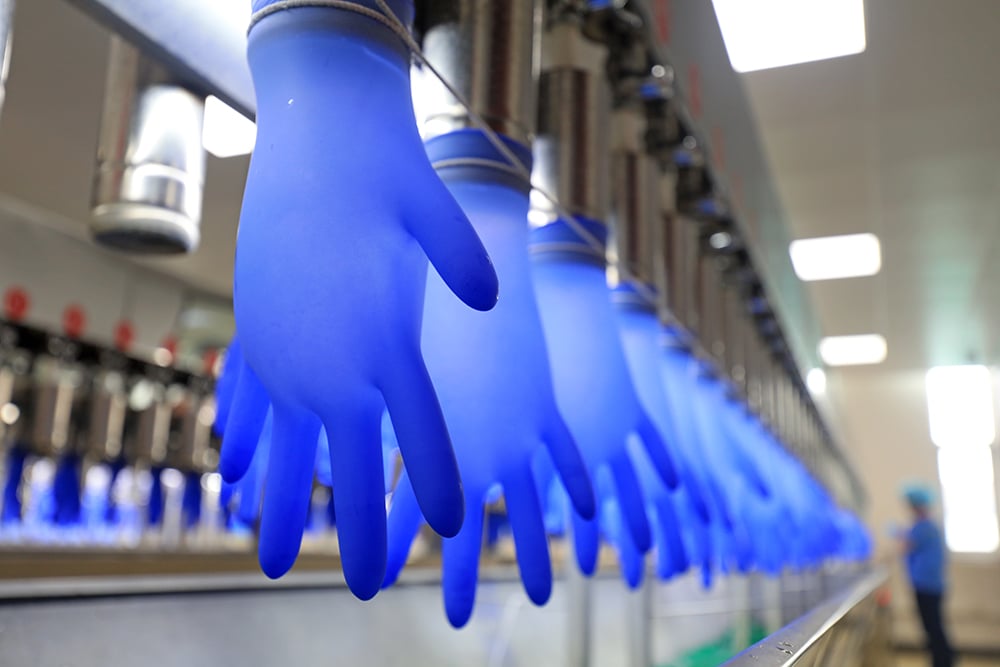
Most modern disposable glove factories produce a high percentage of products without defects. It could even be as high as 99 percent—but even a 1% failure rate is too much when you are sourcing thousands of containers a year.
As 2024 winds down, it’s becoming increasingly challenging to establish consistent and predictable supply—especially at volume—while keeping costs in check. Along with reliable supply, the benchmarks of quality, compliance, and sustainability continue to become more important in the disposable glove market.
The dangers of fentanyl have been widely reported. The drug, developed in 1959 as an intravenous analgesic and anesthetic, is one of the most abused synthetic opioids in North America and a primary driver of overdose deaths among young people.
The disposable glove market continues to have several unique cost drivers impacting the industry. Factories have reduced the number of production lines from pandemic highs, increasing utilization rates and reducing excess supply. Raw materials, from chemicals to synthetic rubber, are rising in cost. Other drivers, such as labor supply in Southeast Asia, packaging material increases, logistics, and a weakening U.S. dollar, are also playing a role.
The U.S. government is increasing tariffs on a variety of Chinese products worth tens of billions of dollars. They have been billed as part of ongoing efforts to protect American factories and include an increase of tariffs on exam/medical-grade nitrile gloves from the current 7.5% to 50% on January 1, 2025 with a further increase to 100% on January 1, 2026.
AMMEX has been importing disposable gloves for more than 35 years. We have established policies and procedures to ensure consistent quality that meets all required standards, but we take it one step further by performing in-person inspections of every shipment before it leaves the factory.
This isn’t a common practice in the disposable glove market, but at AMMEX we took the proactive approach of setting up a team of highly trained glove professionals to catch issues early in production.
It’s the law of supply and demand: Workers in businesses across the industrial spectrum depend on disposable gloves to safely perform their daily tasks. They order, take delivery, and wear them on the job. Rinse and repeat. It’s commerce, the way it’s supposed to work.
Where the equation gets interesting is determining which vendors can always deliver the gloves needed, when they’re needed, at scale, without backorders or other roadblocks. That’s where fill rates come into play.
In medical use, double-gloving—wearing one pair of gloves over another—is commonplace.
Healthcare professionals, always looking for extra protection from bloodborne pathogens, germs, viruses, and bacteria, have long double-gloved when the fear of contamination is high. In the early days of the pandemic, even with widespread glove shortages, an extra pair of gloves was seen not as an extravagance but a necessity.
Disposable glove factories, especially in Southeast Asia, continue to optimize their production lines. Some of the world’s largest makers of disposable gloves are working to return to profitability and expect it will take well into 2025 to do so.
The current state of the disposable glove market is defined by several factors that have become common over the last few years.
On the surface, the market appears to be in good shape. Acute glove shortages are behind us, pricing has returned to favorable levels, the supply chain has seen many broken links repaired, and there is no longer a sense of emergency weighing heavily on the entire glove trade.