Q3 2025 Disposable Glove Market Update: What Buyers Need to Know

Q3 2025 Disposable Glove Market Update: What Buyers Need to Know

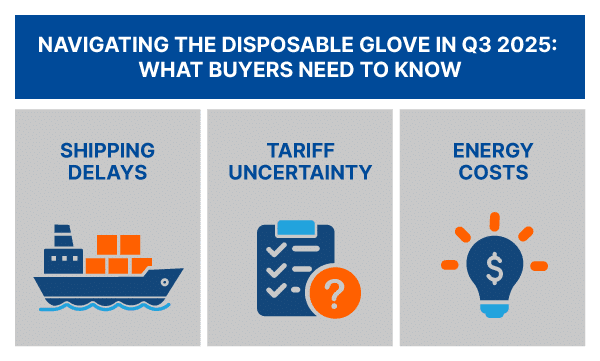
In Q3 2025, the disposable glove market continues to face a mix of steady demand and disruptive challenges. As we discussed in our Q3 Market Update, industry buyers should prepare for potential price fluctuations, mainly due to the impact of tariffs.

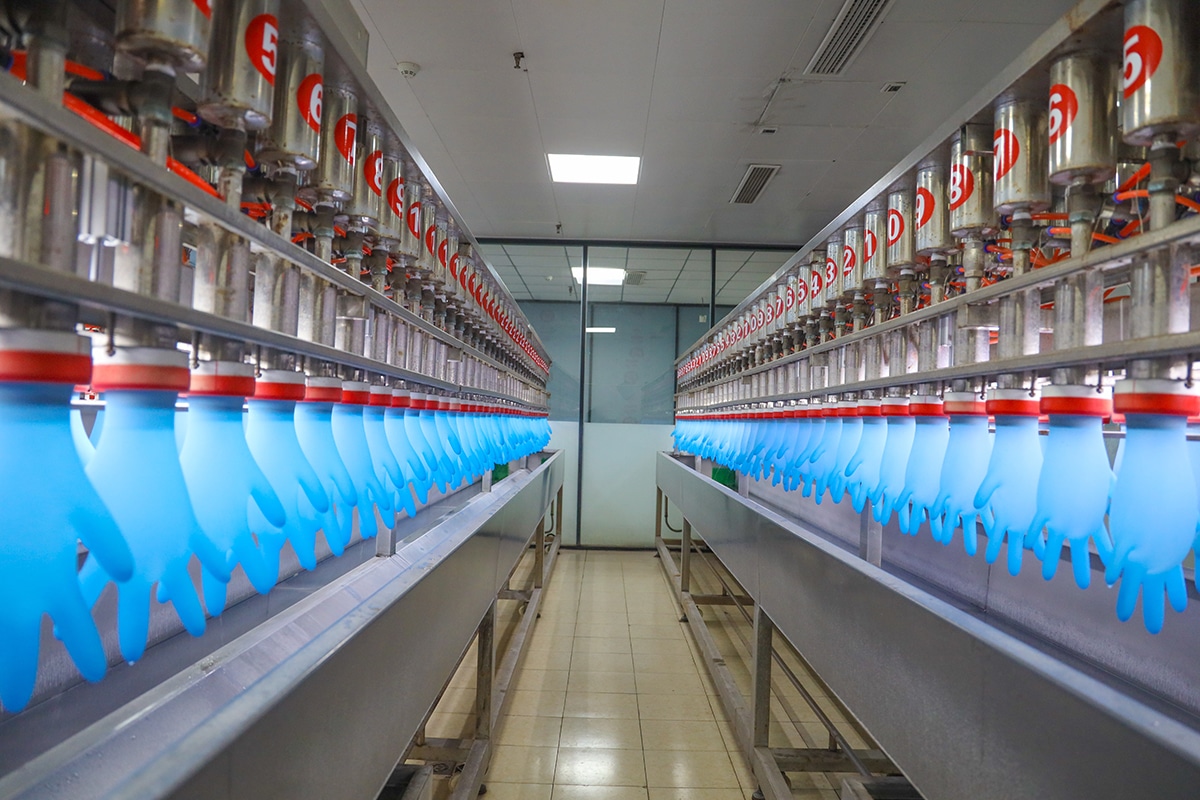
While global production capacity, especially in Malaysia and Thailand, remains strong, longer lead times were common in Q2 due to companies trying to get ahead of the tariff-related uncertainty. That could recur in Q3 as some tariffs have been pushed to August, and negotiations on deals for specific countries are likely to continue.

Synthetic rubber prices will likely remain relatively volatile due to spikes in oil prices and overall inflation in energy costs, potentially leading to higher disposable glove production costs. We also continue to see demand for vinyl gloves in the US market.

Geopolitical uncertainty surrounding tariffs adds further complexity. Until more clarity emerges, buyers should expect pricing instability and plan accordingly.

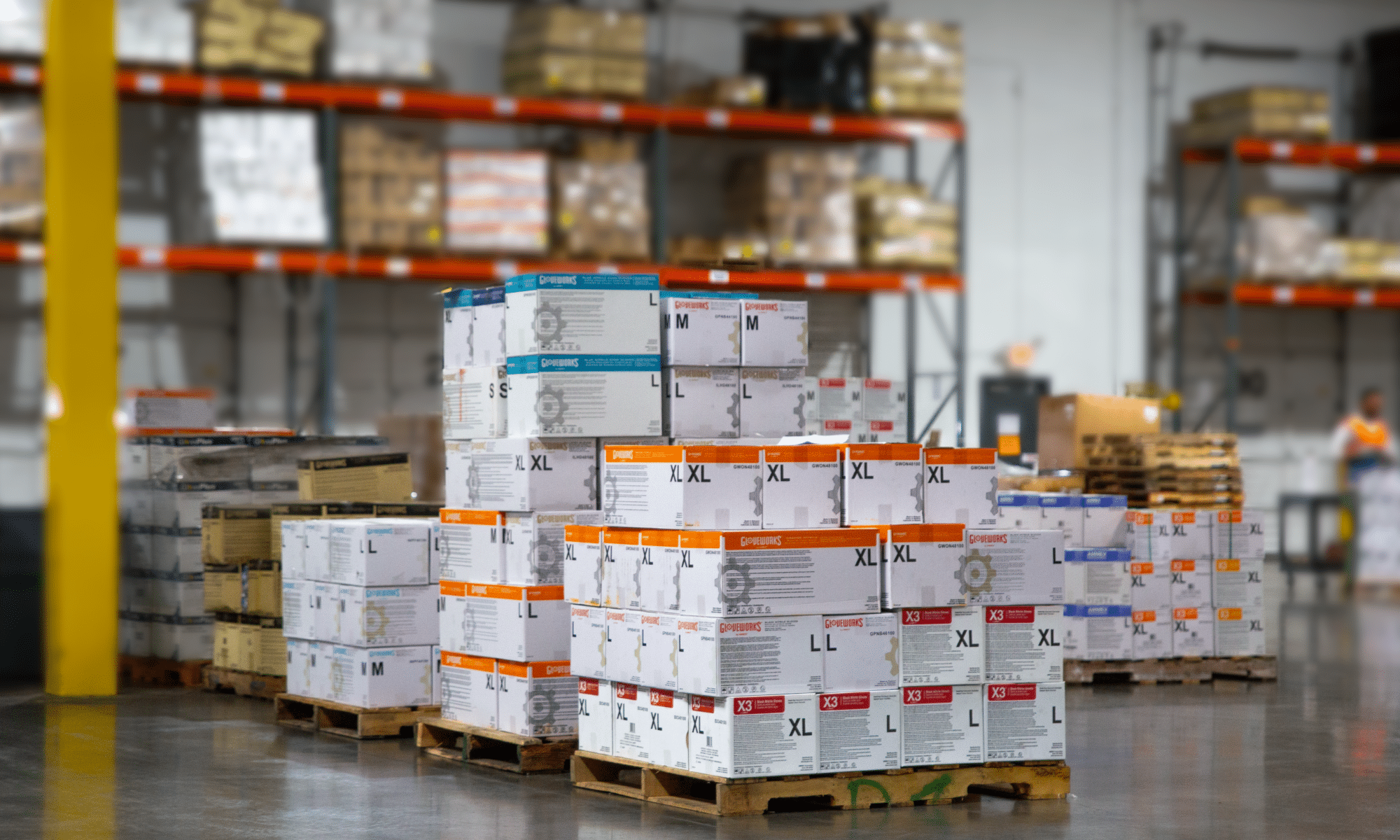
In this environment, sourcing partners offering transparency, high fill rates, and supply chain resilience are critical.  For disposable glove buyers, success in Q3 and beyond will depend on aligning with suppliers prioritizing quality, compliance, and dependable logistics. As market pressures continue, strategic planning and agile sourcing will make all the difference in keeping operations running smoothly.


Disposable Gloves and Sustainability – What’s the Impact?

As disposable glove use has skyrocketed over the last three decades, evaluating sustainability options for them has become increasingly important, almost fashionable.

Of course, it would be interesting to imagine gloves that magically vanish after use or could be recycled on a grand scale.  There’s much conversation surrounding gloves’ biodegradability, recyclability, or compostability. However, at least for now, these efforts may be largely impractical. To summarize, here are some of the solutions that are often marketed as sustainable and that may border on greenwashing:

  • Biodegradable gloves are a nice idea, but most solutions do not meet proper biodegradability standards in states such as California.
  • Compostable gloves, even when they meet the requirements, often require specialized commercial composting facilities, which are not universally accessible.
  • Recycling gloves are frequently unfeasible due to limited availability, high cost, and contamination.

Even if some of these materials and practices were to become more feasible, more than 99% of gloves sold worldwide do not involve them. Their impact is just too small to measure.

The more immediate impact of improving the sustainability of disposable gloves is less about the “glamourous” promises of new materials and more about impacting the overall CO2 emissions during their production and transportation. Due to their peculiar supply chains, hundreds of billions of gloves are transported worldwide.

AMMEX – Commitment to Impact on Sustainability

Our focus is on measurable, reportable, and auditable environmental sustainability. By aligning reduction targets with climate science, we are concentrating efforts on reducing emissions. The Science Based Targets initiative (SBTi) has approved AMMEX’s near-term science-based emissions-reduction target: We commit to a 42% reduction in our operational carbon emissions (from a 2022 baseline) by 2030.

We are committed to long-term measurement and review of our approach to sustainability. As always, efficiency in transporting disposable gloves will remain a priority, even without established benchmarks.

For more information, visit our website or download our sustainability report. By focusing on emissions within our supply chain—areas we can directly influence—and collaborating with our manufacturers to minimize their impact, AMMEX aims to drive a meaningful impact on disposable glove sustainability.

For Industrial Hand Protection, Gloveworks Nitrile Is the Solution

It’s safe to say that in the manufacturing industry, hand protection is a priority.

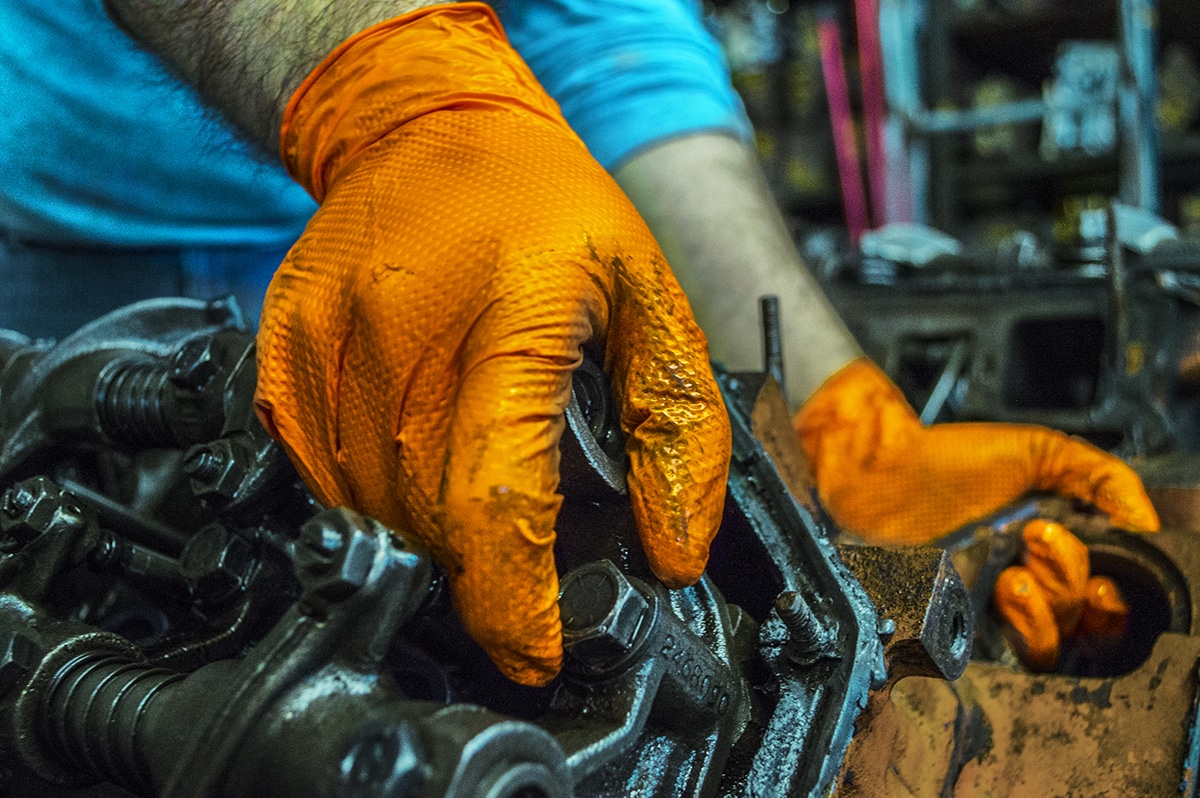
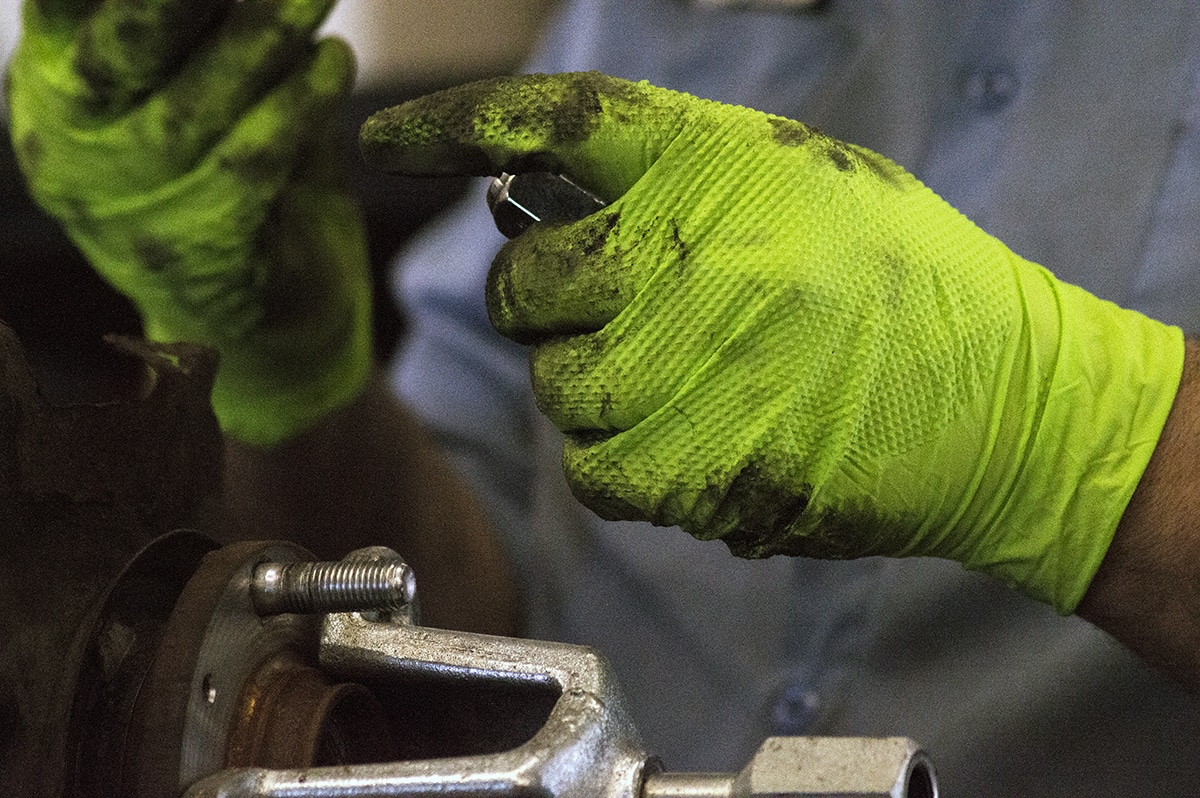
From working with machinery to encountering chemicals and hazardous materials to protecting products from contamination, single-use gloves factor into just about any scenario that involves making things. Some jobs require specialty protection like extra-thick neoprene, cut-resistant, or “armored” and padded work gloves, but just about everyone needs some degree of hand safety.

Continue reading