In the world of industrial hand protection, comfort and performance rarely go hand in hand—until now. Introducing Gloveworks ULTRA™, the latest innovation from AMMEX that redefines what it means to work hard and stay comfortable.
Why ULTRA? Because Your Hands Deserve Better.
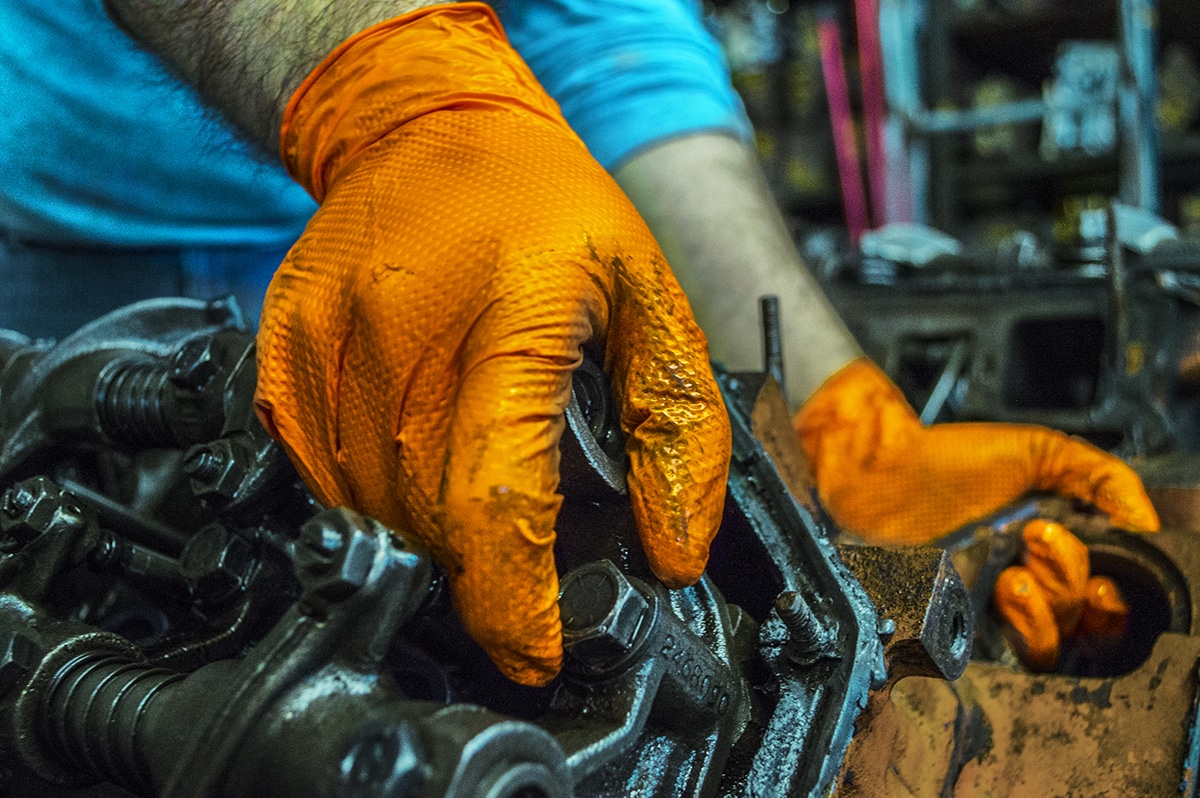
Whether you’re turning wrenches in a mechanic’s bay or handling machinery on the production floor, sweaty hands and poor grip can slow you down. Gloveworks ULTRA™ is engineered to solve that problem with a powerful combination of sweat management and grip-enhancing technology.
Key Features That Set ULTRA Apart
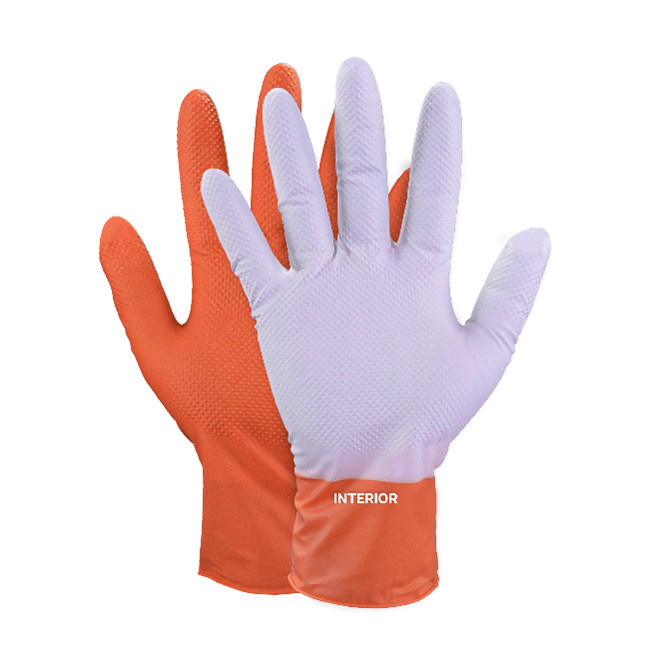
- Flock-Lined Interior: A soft, moisture-absorbing lining keeps hands cool and dry, even during extended wear.
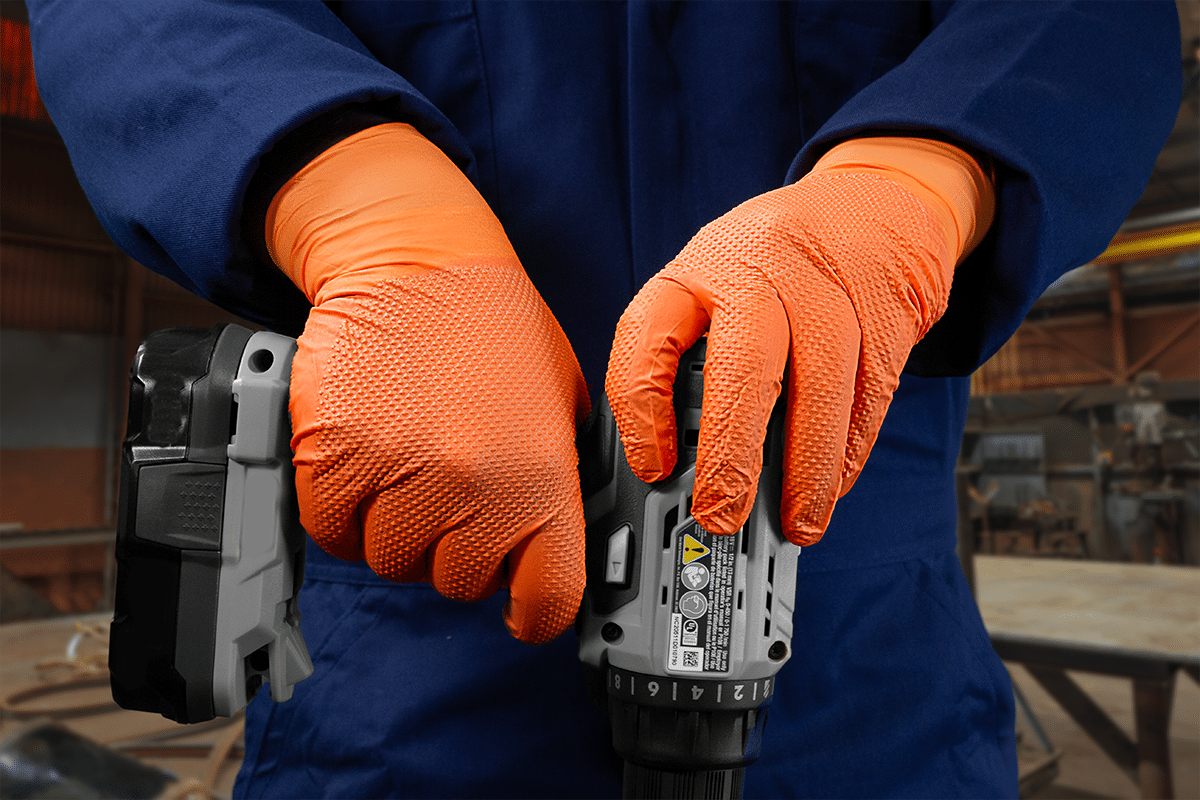
- Raised Diamond Texture (RDT): With 60% more surface area, RDT channels away liquids and provides a superior grip in wet or dry conditions.
- Heavy-Duty Nitrile: At 6-mil thickness, ULTRA offers robust protection against punctures, rips, and chemical exposure.
- High Visibility: The industrial orange color ensures your hands are easy to see—even in low-light environments.
- Powder-Free & Latex-Free: Ideal for users with sensitivities and approved for food use.
Who Is It For?
ULTRA is built for professionals who demand more from their gloves:
- Automotive and industrial technicians
- Installers and machine shop workers
- Municipal and fleet service teams
- Anyone who needs durability, grip, and comfort in one glove
⭐️⭐️⭐️⭐️⭐️ What Customers Are Saying ⭐️⭐️⭐️⭐️⭐️
Real users are raving about Gloveworks® ULTRA™ here’s what they had to say:
“This is my first flock-lined disposable, and I doubt I can go back.”
“Helps with hand sweating and makes it easier to pull the gloves on.”
“They come in real handy for a lot of cleaning and greasy work.”
“All in all, I really like these gloves and will be getting more when this box runs out!”
“Especially in hot humid weather, these gloves make a huge difference.”
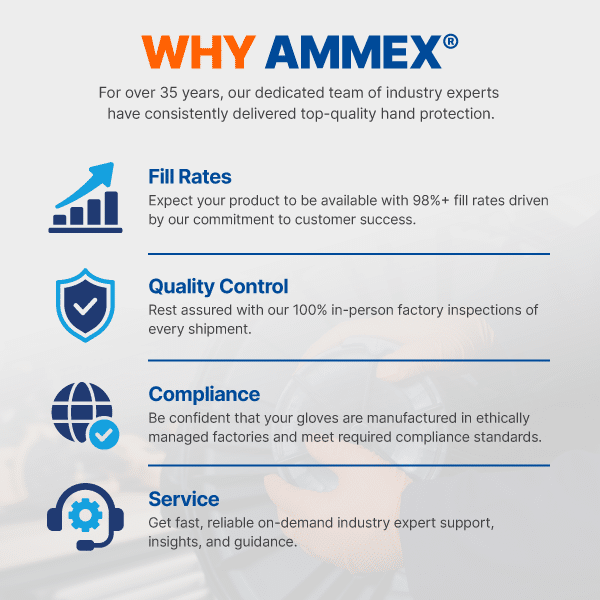
With ULTRA, you’re not just getting a glove, you’re getting the backing of AMMEX’s four pillars: Fill Rates, Quality Control, Compliance, and Service. That means reliable supply, consistent quality, and support you can count on.
Check out our previous post Gloveworks ULTRA™ Adds a New Layer of Comfort for Automotive Workers.
Visit gloveworks.com/ultra for more information.