Why? Not merely because they give us their hard-earned money in exchange for our single-use gloves and singular marketing and sales knowledge (although that surely doesn’t hurt).
“Sustainability” is a word that gets bandied about a lot. At least some of the time, those who use it are in earnest; others merely pay lip service to a buzzword without taking it seriously.
AMMEX meets your needs on a lot of levels. We have 98%-plus fill rates, quality control that features 100% on-site inspections, robust compliance that stems from redundant sources and high attention to detail, and top-notch customer service.
The supply chain has received a lot of attention the last few years, and for good reason. The pandemic forever changed the way people thought about where their products come from.
As we’ve said about the disposable glove market in our Q1 2025 report over the last month, we can report on the most prominent trends—but the timing of what will happen in 2025 remains uncertain.
Regardless, our team continues to focus on areas that can create the most value for our clients and partners when it comes to disposable gloves: fill rates, quality, compliance, and customer service. Specifically:
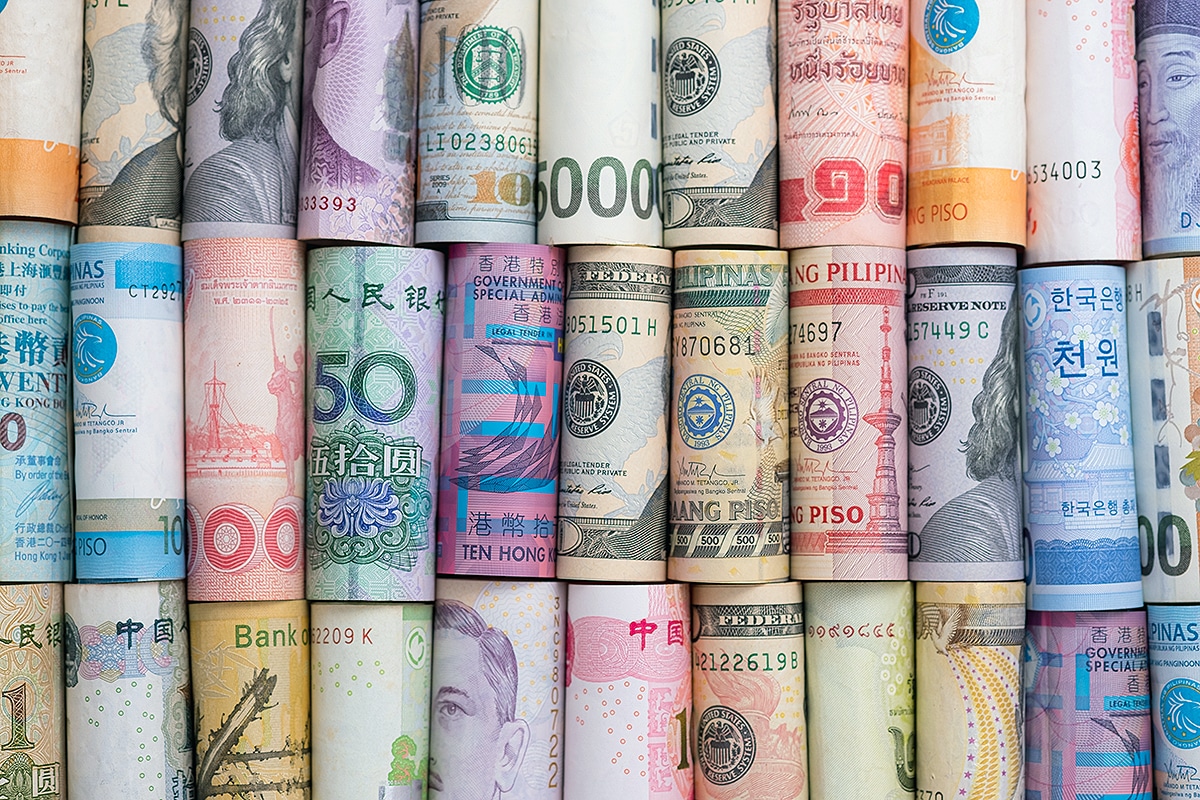
We often get questions about whether currency exchange rate fluctuations will affect glove prices. The answer is maybe—but the reality is other factors figure more prominently. Even if fluctuations do have an effect, it’s not definitive—and it takes a long time to happen.
Geopolitical tensions, rising transportation expenses, higher labor costs, and seasonal impacts are all causing more volatility in the disposable glove supply chain.
We are as always excited to share the latest updates on the trends impacting the disposable glove industry. We’ll provide the typical details, but here is the short version: